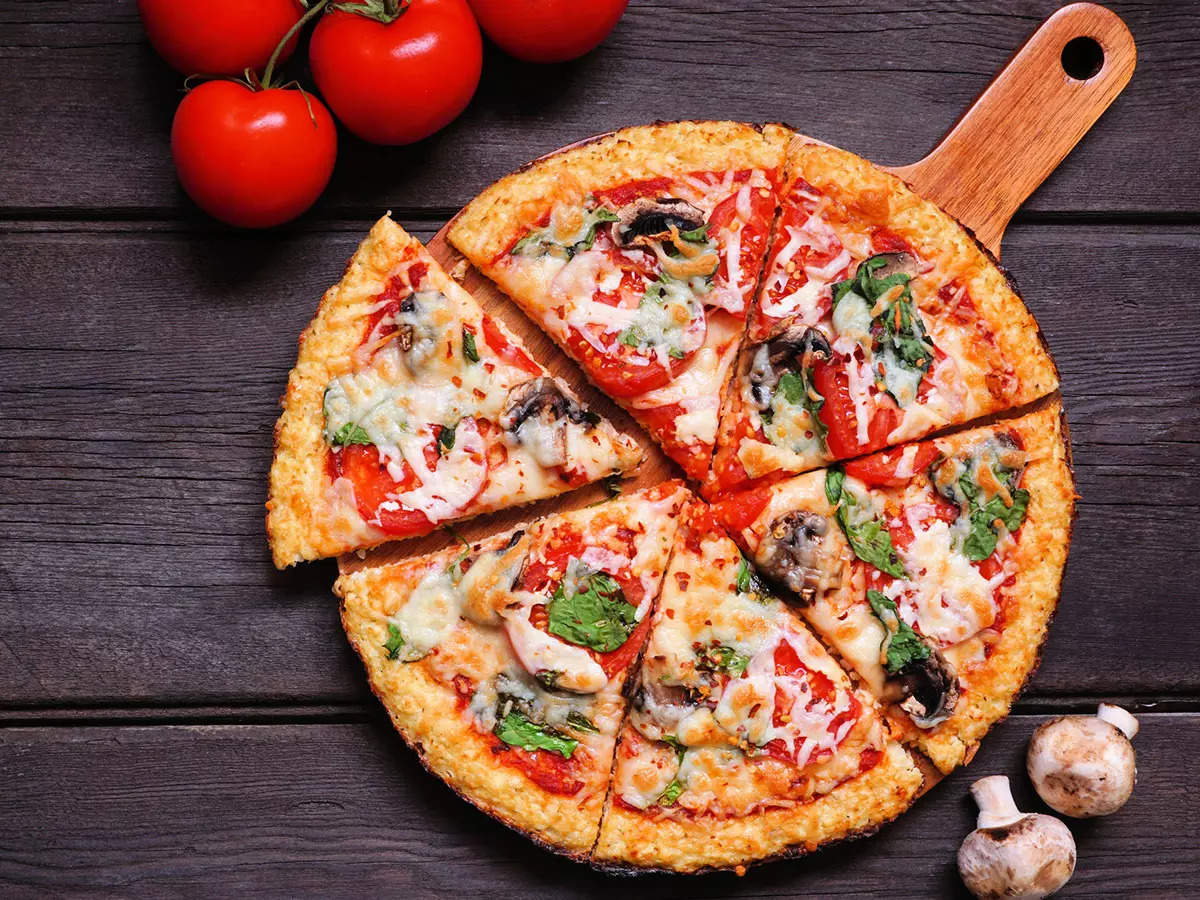
15 Health Benefits of Cheese

15 Health Benefits of Cheese, According to Science (+8 Delicious Recipes)

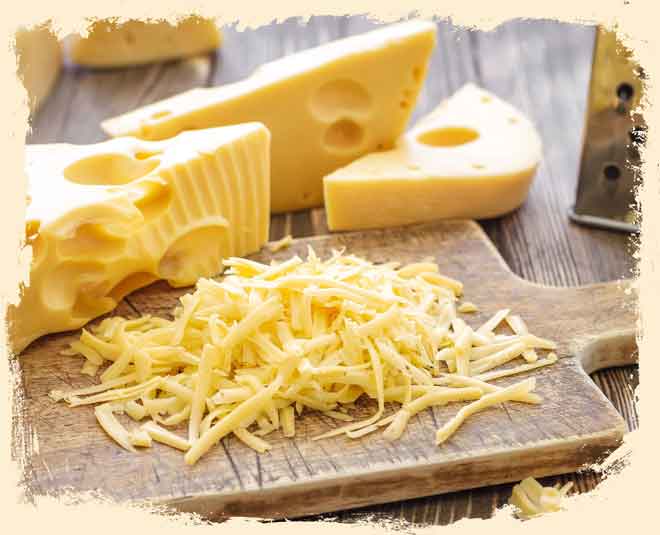
Cheese making has been in practice for over 8,000 years by various cultures around the world. Throughout history, many animals have been valued for their milk, including camels, bison, goats, and yaks. Today, the majority of dairy production comes from cow’s milk, increasing by 50% over the last 40 years. While the percentage of milk consumption in liquid form has decreased, the popularity of cheese has been on the rise, with each person eating an average of 34 pounds a year as of 2012 (1). However, not all cheeses are created equal. Most cheeses get a bad rap. We hear about how it is unhealthy, negatively contributing to our waistline and increasing the number on the scale. While all cheeses should be eaten in moderation, there are some that are a good addition to your shopping list, including swiss, feta, part-skim mozzarella, parmesan, and cottage cheese (2). These are a great source of many essential vitamins and minerals, and can help you avoid common health issues.

1. Cheese Can Prevent Osteoporosis

Our parents always instructed us to drink our milk as children, telling us that the calcium and vitamin D would help us to build strong bones. The truth is our bone mass continues to grow throughout childhood and adolescence, reaching its peak density around age 30. From there, the aging process begins to thin our bones over time. It is easy to see that the greater your bone density is at this point, the less effect aging will have on your skeletal integrity.

Unfortunately, inadequate bone mass can contribute to the development of osteoporosis later in life. Osteoporosis is a disease characterized by fragile, porous bones, and it affects over 10 million Americans, 80% of which are women. It is the leading cause of fractures, with 1.5 million estimated each year (particularly in the wrist, hip, or vertebrae). The cause can be attributed to low consumption or poor absorption of calcium, which causes the bones to slowly break down (3).

Balanced nutrition can help you avoid the development of osteoporosis. You need to ensure you are receiving adequate amounts or protein, calcium, and vitamin D. The World Health Organization (WHO) recommends a minimum daily intake of 400 to 500 mg of calcium per day for people over 50 and at risk for fractures (4). Dairy products, particularly cheese fortified with vitamin D, can be a great way to consume the correct balance of vitamins and minerals.Our parents always instructed us to drink our milk as children, telling us that the calcium and vitamin D would help us to build strong bones. The truth is our bone mass continues to grow throughout childhood and adolescence, reaching its peak density around age 30. From there, the aging process begins to thin our bones over time. It is easy to see that the greater your bone density is at this point, the less effect aging will have on your skeletal integrity.

Unfortunately, inadequate bone mass can contribute to the development of osteoporosis later in life. Osteoporosis is a disease characterized by fragile, porous bones, and it affects over 10 million Americans, 80% of which are women. It is the leading cause of fractures, with 1.5 million estimated each year (particularly in the wrist, hip, or vertebrae). The cause can be attributed to low consumption or poor absorption of calcium, which causes the bones to slowly break down (3).

Balanced nutrition can help you avoid the development of osteoporosis. You need to ensure you are receiving adequate amounts or protein, calcium, and vitamin D. The World Health Organization (WHO) recommends a minimum daily intake of 400 to 500 mg of calcium per day for people over 50 and at risk for fractures (4). Dairy products, particularly cheese fortified with vitamin D, can be a great way to consume the correct balance of vitamins and minerals.

Bottom Line: Increasing your calcium and protein intake with cheese can keep your bones strong, and help prevent osteoporosis.

2. Cheese Can Have a Positive Effect on Your Dental Health

A study done by dental professionals showed that eating cheese might help to prevent dental cavities. Four groups were tested, consuming milk, sugar-free yogurt, paraffin, and cheese, and the pH balance in various areas of their mouths were tested before and after consumption. A pH level lower than 5.5 can leave your teeth at risk for erosion due to acids created in your mouth. While the groups who drank milk, and ate paraffin and sugar-free yogurt showed no significant change, the group who ate cheese experienced an increase in pH levels (5).

The findings may be the result of increased saliva production, due to chewing, which protects teeth from erosion. It could also be that certain components of the cheese adhered to the teeth, protecting them from acid. Either way, your teeth are made up of the same substances as your bones. Just as cheese is beneficial for your bone health, it can also have positive effects on your dental health.

Bottom Line: Cheese can keep your teeth strong and prevent expensive dental work that results from decay.

3. Cheese Consumption Can Help You Gain Weight in a Healthy Way

To most people, the idea of gaining weight is not something to be looked at favorably. For some, weight gain is a necessity for various reasons. Actors and athletes may need to bulk up for an upcoming role or game season, or a child may be underweight for their age, according to their pediatrician.

For those looking to gain weight, there is a right and a wrong way to do so. You do not want to put your health at risk by choosing the wrong foods. With its fat and protein content, plus the various vitamins and minerals it contains, cheese is a great choice for gaining weight in a healthy manner (6).

You do need to be careful about how much cheese you eat, as it can take you too far to the opposite extreme on the weight chart. It is a very energy-dense food, containing a lot of calories per gram. Common cheeses, like goat, gouda, and parmesan, contain over 100 calories per gram. Eating a diet mainly consisting of foods high in energy density can lead to obesity. Try to balance your cheese intake with low energy-dense foods, like fruits and vegetables (7).

Bottom Line: If your doctor has said that you or your child needs to gain weight, cheese can be a healthy way to achieve this.

4. Cheese is the Best Dietary Source for Calcium

The most abundant mineral in the body, calcium is a necessity for life. It regulates vascular function, nerve transmission, muscle function, and hormone secretion. While only 1% of the calcium in the body is necessary for these functions, the other 99% is stored in the bones.

Your bones go through constant remodeling throughout your life. The balance between breakdown and formation changes over time, with the formation greatly outweighing breakdown in childhood, vice versa in older adults, and a balance between the two in adolescence and early adulthood (8).

Our bodies cannot create new calcium, and we lose calcium every day through our dead skin cells, nails and hair, sweat, and excrement. It is important to get your recommended daily calcium (roughly 1,000 mg for the average adult (9)), as the calcium we do not receive through our food is then taken from our bones, leaving them prone to breaking down and vulnerable to fractures (10).

Bottom Line: Cheese is the best way, without supplementation, to receive your recommended daily intake of calcium.

5. Cheese is an Excellent Source of Protein

6. Cheese is High in Vitamin B12

Responsible for the formation, regulation, repair, and protection of the body, protein is a necessity in our diets, giving you a strong immune system, healthy hair, and proper fluid balance in your body. Without proper protein intake, you are at risk for fluid retention and shrinkage of muscular tissue.

Your body does not store protein. Because of this, your daily food consumption should contain adequate amounts of protein. About 2-3 servings of protein-rich foods (such as meat and dairy) per day is adequate for most adults to meet the requirement (11).

While most cheeses are an excellent source of protein, low moisture-content cheeses are your best choice. If you are looking for the best cheesy source of protein, Parmesan is the one for you. It is the highest protein-content cheese, with 10 grams per ounce. Stay away from “wet” cheeses, like cottage, ricotta, and other cheese spreads if you are looking for protein content. These are very low in protein and high in fat (12).

Bottom Line: Cheese can help you receive your daily amounts of protein, giving you leaner muscle and healthier skin and hair.
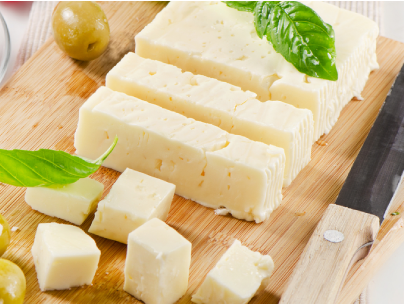
Vitamin B-12 (also known as Cobalamin) is the largest and most complex vitamin discovered to this day. It aids in the production of red blood cells, protein, and DNA, as well as promotes many mental health functions. Vitamin B-12 anemia, or pernicious anemia, is the result of a deficiency which can lead to lethargy, muscles weakness, and, in long-term, severe cases, neurological damage (13).

This essential vitamin can only be found, naturally, in animal products, or synthetically in supplements. It can be consumed in large doses with no ill side-effects. The excess merely gets stored away in the body until it is needed, and can be stored up to a year (14).

Many cheeses provide an excellent source of natural vitamin B-12. Amongst all cheeses, Swiss has been found to have the highest B-12 content, with 0.95 micrograms per ounce. That’s about 39% of your recommended daily intake. Even the cheeses with the lowest content, cheddar and Monterey, still offer 10% of your B-12 requirement in one ounce (15).

Bottom Line: Choosing cheeses, like Swiss, can energize you and keep your nervous system healthy through vitamin B-12.

7. Cheese Can Reverse Hypertension by Lowering Blood Pressure

There have been links found between a diet that contains dairy and lower blood pressure. It is believed that the increased calcium intake is what is ultimately responsible. There was a study done in which two groups, one who ate only fruits and vegetables and the other included low-fat dairy products, were tested. It was found that the group that included dairy showed overall decreased blood pressure.

Those with hypertension may find that their systolic blood pressure lowered by 2-4 mmHg by including certain cheeses in their diet (16). However, you do still need to be aware of your sodium intake, not exceeding 1,500 mg per day. Choose low-sodium cheeses by checking the packaging labels. Balancing your diet with foods high in potassium can help to reduce your sodium level as well (17). So, why not top that potato with some cheddar?

Bottom Line: Pairing low-sodium cheeses with potassium-rich foods can lower your blood pressure and reverse hypertension.

8. Cheese Provides the Essential Fat, CLA

Conjugated linoleic acid, or CLA, is a complex compound that does not get enough credit. With the trend of low-fat, no-fat diets, the intake of CLA amongst most Americans is very low. It is an essential, “healthy” fat that is commonly found in dairy and meat, primarily from grass-fed cows, sheep, and goats (18).

With the help of CLA, you can experience a loss of body fat and build lean muscle. It also plays a vital role in supporting the immune and inflammatory systems, improving bone mass, regulating blood sugar levels, and reducing your risk of heart disease.

Cheese made from milk from grass-fed cows tends to be high in CLA’s. The amount of CLA in these cheeses tend to increase with the amount of fresh grass eaten. Therefore, when cows have access year-round to fresh grass, you can have as much as 30 mg of CLA per ounce of cheese produced (19).

Bottom Line: Grass-fed cheeses are rich in CLA, which can regulate your blood sugar and reduce your risk of heart failure.

9. Cheese Can Help Prevent Common Cancers

There’s no doubt about it: cancer runs rampant throughout our population. Colorectal cancer is amongst the most common in the world, affecting the colon and digestive tract. Many complications come along with colorectal cancer, including abdominal pain, nausea and vomiting, rectal bleeding, and, if undiagnosed, can lead to death in the long-run (20).

While many studies have shown mixed results when it comes to dairy consumption and cancer risk, there has been some evidence that shows milk and cheese can prevent some common cancers, such as colorectal and bladder. There are many factors to consider when it comes to diet and cancer prevention. When it comes to cheese and other dairy products, it is believed that the calcium, vitamin D, and lactic acid can potentially protect you from these cancers (21, 22).

Bottom Line: The calcium content in cheese can potentially help prevent common cancers, like colorectal.

10. Cheese is Plentiful in Healthy Fats

Once upon a time, we were told that fat was evil, causing us to be obese and clogging up our precious arteries. Thus, the low-fat, no-fat diets began to roll out, resulting in a population that was overweight and very sick.

Now we know that fats are essential to a healthy diet. They help to keep you full, so you eat less, and are necessary to help your body absorb certain vitamins. It is still only recommended that 10% or less of your daily calories should come from fat, and you should be selective with where your fats come from and what type of fats you choose.

Unsaturated fats are the best for you. These are typically found in nuts and fish. Saturated fats can also be good, but in moderation. These are often solid at room temperature, and are found in animal products, like meat, butter, and cheese, and certain oils, like coconut and palm. Trans fats should be avoided altogether, being undeniably the worst fat for your heart and found in fried foods and packaged snacks.

Cheese, in moderation, can help you get these necessary fats into your diet. Try choosing aged cheeses, like parmesan, and using it as a garnish to salads. The fats in the cheese will help keep you full and help your body absorb the vitamins in your vegetables (23).

Bottom Line: We now know that fats are essential in our diets, and cheese is a good source of healthy dietary fats.

11. Cheese is a Good Choice for Pregnant Women
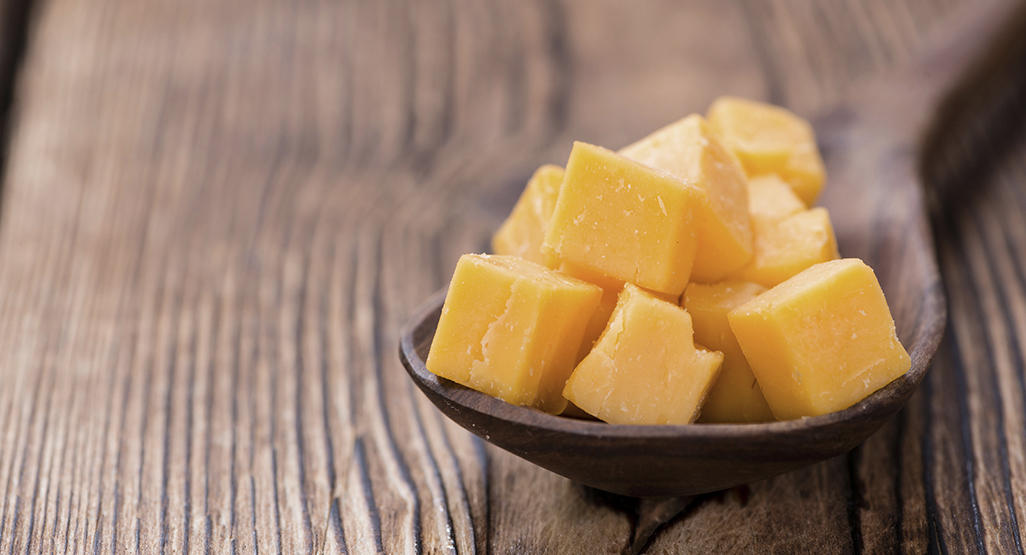
Preeclampsia affects 5 to 8% of pregnant women in America. It is a condition in which a woman develops hypertension in pregnancy, and can have a serious impact on her unborn child, including death. Through various studies and research, it has been shown, however, that calcium supplementation, receiving between 1,500 and 2,000 mg per day, during pregnancy can greatly reduce a woman’s risk of developing preeclampsia (24).

With its calcium content, cheese is a good choice for the pregnant woman’s diet. Not only is it rich in calcium, but it can offer many other essential nutrients for pregnancy, including protein and B vitamins. However, there are many conflicting opinions on the consumption of cheese during pregnancy, and these need to be taken into consideration.

Some soft cheeses, due to their moisture content, can be the perfect environment for bacteria to grow. One of these bacteria, listeria, is especially dangerous for pregnant women and their fetuses. Listeriosis can produce symptoms similar to that of food poisoning, and the bacterial infection can even result in fetal death (25).

If you do choose to eat soft cheese, make sure it is in cooked food. The heat will help to kill the bacteria, making it safer for pregnant women to eat. If you really desire to eat cheese, but you are afraid of the risk of listeriosis, choose hard cheeses instead, like gouda, cheddar, and parmesan. These are usually made with pasteurized milk and cooked at high temperatures, which kill any existing bacteria (26).

Bottom Line: With proper choices and preparation, cheese can be a good choice for pregnant women to receive vitamins and minerals necessary for healthy fetal development.

12. Cheese Helps You Build Muscle

We all know how difficult it can be to lose weight, but for some people, it can be just as hard to put on muscle. Adding certain foods to your diet, however, can help you gain weight and bulk up. Cheese can effectively help you build muscle, due to its fat and protein content (27).

Cottage cheese is easily the cheapest addition to your diet that can help you build muscle. Per serving (about 4 ounces), you get 13 grams of protein, 5 grams of fat (in regular cottage cheese, not low- or no-fat), and 4 grams of carbs. It is a popular choice amongst many athletes and body builders, as the whey and casein protein keeps their muscles lean and aids in post-workout recovery (28).

Bottom Line: With the protein, fat, and carbs in cheese, you can gain weight and build muscle with ease.

13. Cheese Benefits the Immune System

Immunoesenescene is a disease that plagues the elderly, attacking their immune system, leading to its deterioration. It makes it harder for their bodies to fight cancerous cells and respond to immunizations and vaccines, leaving them more susceptible to cancer and infectious diseases.

Recent research, however, has shown that cheese, fortified with probiotic bacteria, can help boost the immune system and prevent immunosenescene. Probiotics are similar to the bacteria found in the human gut, where the majority of the immune system is located. Scientists, therefore, decided to target this area for their research.

A group of volunteers in a nursing home, between the ages of 72 and 103, were observed over a period of four weeks. One group was given a placebo cheese, and the other was given probiotic-rich gouda. At the end of the period, it was clear that natural and acquired immunity was improved in the group who ate the probiotic-fortified gouda (29, 30).

Bottom Line: Cheese, especially gouda, can improve the immune system by introducing gut-healthy probiotics to your body.

14. Cheese is Abundant in the Vital Vitamin K2

Vitamin K is well-known for the role it plays in helping your blood to clot, but there are a few forms of vitamin K. Vitamin K2 doesn’t get as much attention as K1, which is the K vitamin responsible for blood coagulation (called Koagulationsvitamin, understandably). It is believed to be the “unsung hero” when it comes to the prevention of some common diseases (31).

This vitamin works hand-in-hand with other vitamins and nutrients, such as calcium and vitamin D. It benefits your bone, skin, and dental health, by transporting and depositing these essential vitamins and minerals to these areas. It can help prevent dementia in the elderly by promoting healthy brain function. It can even prevent, and possibly treat, common cancers, like leukemia (32).

Many Americans (about 80%), and other Western populations, are believed to not get enough of this magical vitamin. The optimum recommended intake is still inconclusive, but it is believed that 180 to 200 mcg per day will be enough to get those vitamin-transporting proteins working. Hard cheeses, have adequate amounts of vitamin K2, offering over 30% more than soft cheeses, and amongst these, gouda and brie boast the highest amounts, at about 75 mcg per ounce (33, 34).

Bottom Line: Vitamin K2 is a miracle vitamin, believed to help prevent many common diseases, and gouda cheese is an excellent source for this vitamin

15. Cheese is Good for Your Thyroid Health

Your thyroid, a small, butterfly-shaped gland in your neck, is probably not something you think about often, but it should receive special attention when it comes to your health. The hormones it produces regulate nearly all of the body’s metabolic functions. Too much (hyperthyroidism) or too little (hypothyroidism) production of these hormones can set your body off balance.

A thyroid disorder can have a vast array of symptoms. These include weight gain, fatigue, and infertility with hypothyroidism, and anxiety, insomnia, and rapid weight loss with hyperthyroidism. Both are cause for concern, and can lead to more serious problems in the future.

More than 30 million Americans suffer from a thyroid disorder, and over half of them are undiagnosed. Chances are even higher of an issue developing with your thyroid if you are female, making it about 30% more likely (35, 36).

There are many things you can do to prevent developing a thyroid disorder, such as nutrition. Selenium is an essential mineral, as there are many benefits that result from daily intake. You can experience boosted immunity, as it counteracts the development of viruses, and it regulates thyroid function by aiding in the production of thyroid hormones (37).

Changing your diet can be the first step to avoiding a thyroid disorder. Adding cheese to your diet can help. Hard cheeses, like cheddar, can be a great source of selenium. In a 100-g serving, you can get over 50% of your recommended daily value (38).

Bottom Line: Adding cheddar, and other hard cheeses, to your diet can reduce your risk of developing a thyroid disorder by keeping your hormones in balance.
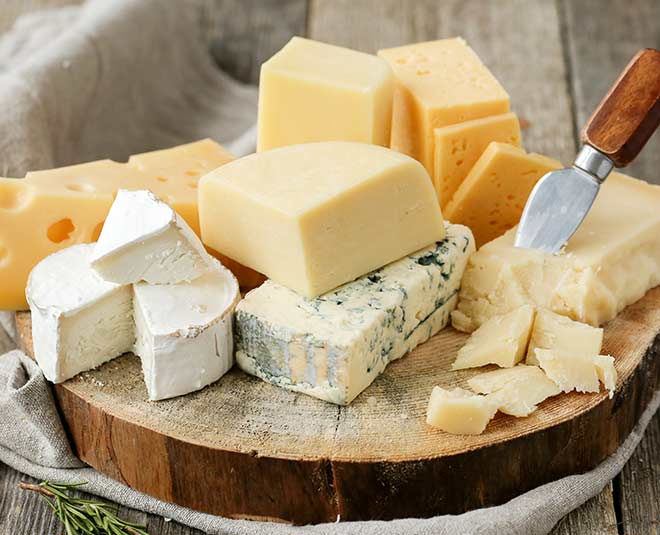
Recipes

We all love cheese, and it’s easy to find many fattening, soul-soothing recipes. If you need your cheese fix, try these healthier alternatives.

1. Loaded Cauliflower

With all of the cheesy goodness this dish has to offer, you can enjoy your favorite comfort food without even noticing you’re eating vegetables.

In a microwave-safe bowl, combine either a whole head of cauliflower (then cutting it into florets) or a pound of pre-cut cauliflower and 2 tablespoons of water, cover with clear wrap, and microwave for 5-8 minutes, until tender. Drain the excess water and allow to cool for a few minutes.

Transfer the cauliflower to a food processor and blend until fluffy. Add ¼ teaspoon of garlic powder, 3 tablespoons of butter, and 4 ounces of sour cream. Blend again until the mixture looks like mashed potatoes.

In your serving dish, combine the cauliflower mixture and about 2 tablespoons of snipped chives, and mix in a ½ cup of shredded cheddar. Season with salt and pepper. Top the mixture with another ½ cup of shredded cheddar.

Pop it back in the microwave for a few minutes or put it under your broiler to allow the cheese to melt. Sprinkle on some chopped chives and serve.

2. Spaghetti Squash with Bacon, Spinach, and Goat Cheese

With the gluten-free trend on the rise, this recipe is a great trend for those looking for pasta without the carbs.

Preheat the oven to 400°F and line a baking pan with either parchment paper or foil. Prep your spaghetti squash by cutting off both ends, slicing it into 1-inch thick rings, and cutting out the seeds in the middle. Drizzle oil onto your lined baking pan, and spread out the squash rings, making sure both sides are coated with olive oil and seasoned with salt and pepper. Allow to bake for about 30 minutes, and cool for 10 minutes when it is finished.

Heat a large pan and cook about 6 strips of bacon (cut into 1 inch pieces) until it is browned and crispy. At this point, stir in a tablespoon of red wine vinegar (which will help to deglaze your pan and loosen any stuck pieces of bacon) and a tablespoon of maple syrup. Add a bag of fresh spinach to the pan, one handful at a time, while stirring over low heat. Once the spinach is wilted, remove from heat.

Peel the skin from your squash, then, using a fork or your fingers, separate the “spaghetti” strands. Add the squash to your skillet and toss together.

Top with goat cheese crumbles and serve warm.

3. Spinach and Goat Cheese Frittata

Add a little bit of cheesy goodness to your brunch with this recipe.

Preheat your oven to 400°F. In an oven-proof skillet, heat olive oil and add 6 slices of pancetta. Cook over medium-high heat until crispy. Allow to cool on a separate plate before crumbling into small pieces.

Slice up a small leek (length-wise then into ½ inch pieces) and add it to your pan. Cook over low heat until soft and slightly browned. Add a cup of fresh spinach and cook until wilted. Remove the leek and spinach mixture from the pan and allow to sit with the pancetta.

Beat 8 large eggs and add them to the pan, seasoning with salt and pepper, and cooking for about a minute. Spread the pancetta, leek, and spinach mixture over the eggs and top with about a ½ cup of goat cheese crumbles.

Bake for a few minutes until the frittata is set. Cut into wedges and serve immediately.

5. Parmesan Kale Grilled Cheese


This healthy spin on classic grilled cheese is sure to satisfy even the pickiest of eaters.

Preheat your indoor grill or panini press (you can also use a grill pan on your stove). On a slice of bread, crumble a half-ounce of sliced parmesan and sprinkle hemp seeds and garlic powder. Top with sliced kale, another half-ounce of parmesan, slices of another cheese of your choice (something that will easily melt).

Lay your second slice of bread on top and place in grill or panini press and close. Allow to cook for a few minutes, until cheese is melted and grill marks are visible. Serve warm.

6. Parmesan Roasted Zucchini

Why eat French fries when you can enjoy this healthy and delicious alternative?

Preheat oven to 350°F and line a baking sheet with foil. Slice about 4 to 5 zucchinis into wedges (quarter them length-wise). In a separate bowl, mix together 2 tablespoons of olive oil, the zest of a lemon, and 2 cloves of garlic (minced).

Spread your zucchini slices on your lined baking sheet and brush with your olive oil mixture. Sprinkle with shredded parmesan and season with salt and pepper. Allow to bake for a few minutes, until zucchini is tender, then allow to broil until the parmesan is golden in color.

Serve as a snack or a side with your favorite dish.

7. Cottage Cheese Chicken Enchiladas

Instead of taco night, try serving up these creamy enchiladas with a twist.

Preheat oven to 350°F. Shred two chicken breasts, and combine it with ½ cup of chopped onion, and a can of chopped green chile peppers in an oiled pan. Sauté the mixture until brown, then add taco seasoning following the package directions.

In a large bowl, mix together ½ cup of sour cream, 2 cups of cottage cheese, and season with salt and pepper. In 6-inch soft tortillas, place a spoonful of your chicken mix, a spoonful of your cheese mix, and some shredded cheese, roll them up, and place them in a greased baking dish. Pour over enchilada sauce and sprinkle on shredded cheddar.

Allow to bake for about 30 minutes, until cheese is melted on top, and serve with Spanish rice.

8. Reuben Dip

Enjoy all the flavor of your favorite sandwich in this easy to make snack.

Preheat your oven to 350°F. Combine together a package of cream cheese (room temperature), ½ cup of mayonnaise, 2 tablespoons of ketchup, 1 tablespoon of horseradish, and 1 tablespoon of relish in a food processor, and blend until smooth.

Stir in 2 cups of grated Swiss cheese, 2 ounces of chopped corned beef, ½ cup of sauerkraut, and ¼ cup of chopped chives. Transfer to a baking dish, and allow to bake in the oven for about 15 minutes, until the dip is hot and bubbly.

Serve with pieces of toasted pumpernickel bread
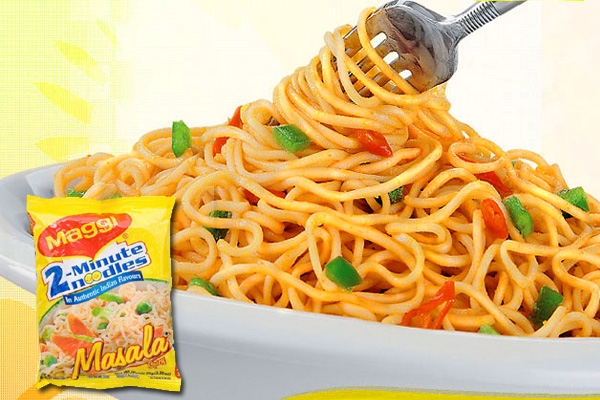
Advantages And Disadvantages of Maggi Noodles:

Maggi noodles is one type of instant noodles, and it is very famous, but do you know the advantages and disadvantages of maggi noodles? Let us explain it separately now.

1. Maggi noodles contain six major nutrients in the human body, water, protein, fat, carbohydrates, vitamins, and dehydrated vegetables also preserve the original nutrition of vegetables, but the nutrient content is a little less than fresh vegetables.
2. Replenishing energy, most maggi noodles are wheat products, so they can provide a lot of energy, and maggi noodles mainly contain wheat flour, palm oil, sauces and dehydrated vegetables. It can supplement a certain amount of protein, fat, vitamins, mineral water compounds, etc. These are the ingredients needed to supplement human nutrition.
3. Replenish calories and reduce fat intake, because maggi noodles contain a lot of carbohydrates, carbohydrates can provide enough heat for the body to replace some of the fat in life.
4. Convenient and fast, suitable for people who have no time or laziness to solve their food and clothing problems.

Everything has two sides, maggi noodles also has disadvantages:
1. Junk food : instant noodles are enriched with full of carbohydrates, but no fiber, vitamins and minerals. This makes the instant noodles considered as a junk food.
2. Overweight : Eating noodles is the leading cause of obesity, noodles contains fat and large amounts of sodium, which causes water retention in the body and surely it leads to overweight, and obesity leads to heart problems.
3. Digestion : Instant noodles are bad for digestive system, regular consumption of instant noodles causes irregular bowl movements and bloating.

Benefits of Drinking Coke?

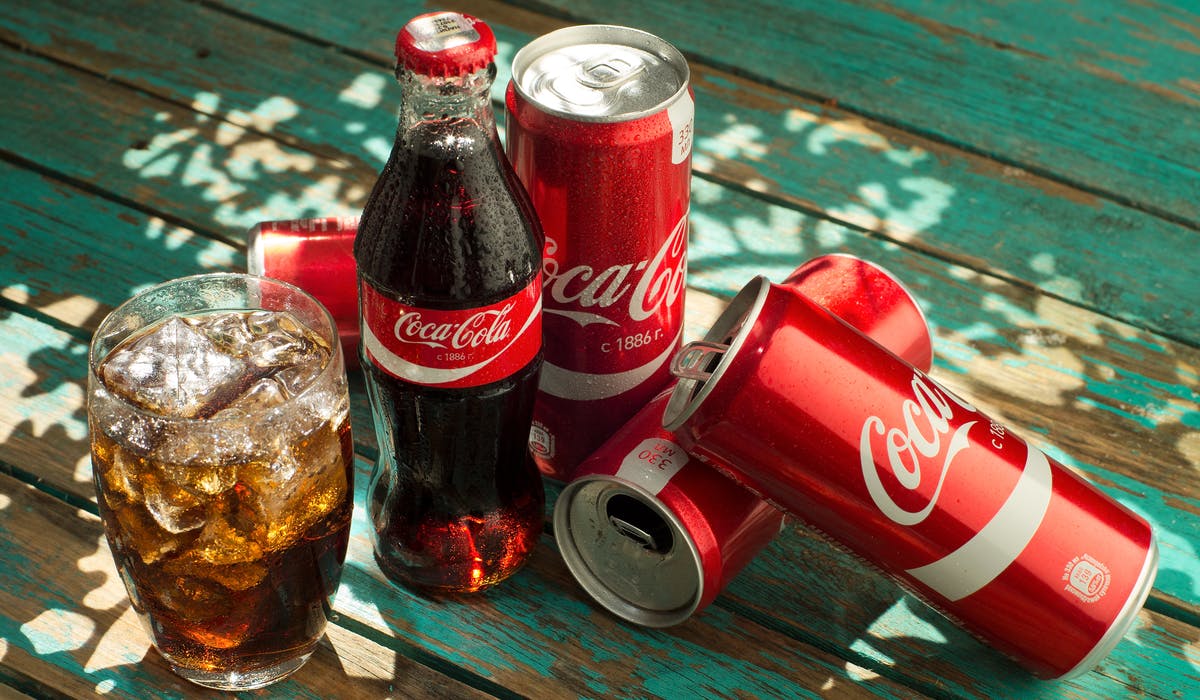
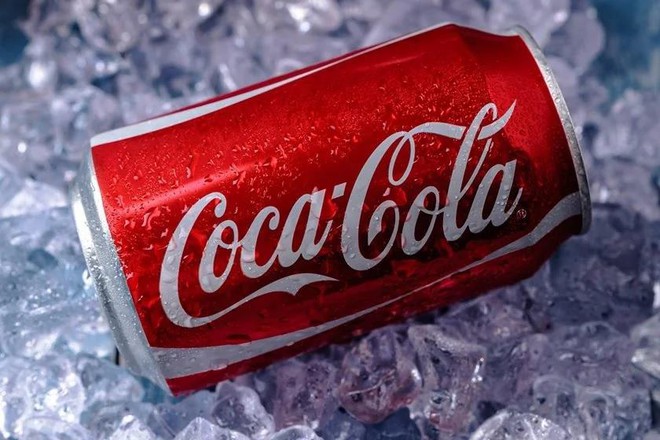
People of all ages are familiar with the distinct red and white Coke logo. Coca-Cola is a carbonated soft drink that has endured for more than a century, despite having been given a run for its money by competitors such as Pepsi, another cola-flavored beverage. You might love the taste and fizziness of the “Real Thing.” However, the benefits of drinking Coke aren’t impressive from a nutritional standpoint.

The Coke Legacy

Chemist John Pemberton of Atlanta, Georgia, invented the formula of a dark fizzy concoction he named “Coca-Cola” in 1886. However, Coke didn’t take off until almost 10 years later, when a Mississippi businessman found a way to bottle the drink, as well as secure a trademark and design for the famous Coke bottle. Coke launched overseas in the mid-1920s. The Coca-Cola company subsequently acquired Minute Maid and Sprite in the early 1960s. One of the more notable Coke commercials was released in 1971 and featured the Hilltop Singers singing “I’d Like to Teach the World to Sing.” In May 2011, Coke celebrated its 125th anniversary.

Caffeine

One of the benefits of drinking Coke is that it contains caffeine, a natural stimulant found in the kola nut, coffee beans and tea leaves. Caffeine makes you feel more alert when you’re tired and might increase your performance when embarking on certain tasks. According to the International Food Council Information Foundation, the U.S. Food and Drug Administration, or FDA, has recognized caffeine as an additive that’s Generally Recognized As Safe, or GRAS, since the late 1950s. Moderate consumption of caffeine — around 300 mg — is generally not harmful for healthy adults, although some people are more sensitive to caffeine. A 12 oz. can of Coke contains 34 mg of caffeine, far less than the average cup of coffee, which contains 85 mg of caffeine.

Sugar

Furthermore, Coke is loaded with added sugar, which is not a benefit to your health. The Center for Science in the Public Interest, or CSPI, labels Coke and other soft drinks “liquid candy” and points to these beverages as a major contributor to weight gain in children and adults. When the Hilltop Singers earnestly sang they wanted to buy the world a Coke, they weren’t kidding: CSPI reports that companies such as Coca-Cola manufacture enough soda pop to provide more than 500 12 oz. cans of pop to every person in America annually. Weight gain leads to more serious health complications such as type 2 diabetes, heart attack, stroke and certain types of cancer. A 12 oz. can of Coke gives you 140 calories, almost all from an added sugar called high-fructose corn syrup. MayoClinic.com indicates that added sugars are simple carbohydrates that give you calories, but no essential nutrients.

Coke and Diet

The Coca-Cola Co. is actively involved in philanthropic endeavors, a compelling reason to make it your soft drink of choice. In June 2011, the company announced that it gave $200,000 to the World Islamic Economic Forum Foundation to help empower women economically. Weigh the health and nutritional benefits of drinking Coke before popping open the can, especially if you’re watching your weight. The American Heart Association recommends that women get no more than 100 calories daily from added sugar. Men should limit added sugar calories to no more than 150 calories.

12 GREAT WAYS MANGO JUICE BENEFITS THE HUMAN BODY

Benefits of Mango Juice.

Mango is known as the king of the fruits. It grows mostly in tropical climates and has been a favourite among humans for over 4000 years. Mango and its juice, commonly known as “aam ras” contain many vital vitamins and minerals that are essential for a healthy human body. Mango is a very sweet fruit and hence one does not need to add sugar in it, and hence it makes it very beneficial for health.

Mangoes are a powerhouse of vitamin C, beta carotene, potassium, iron and many other nutrients which help in fighting infections, as well as maintaining overall well-being of the body. The exotic fruit is stimulating and nourishing and is enjoyed most during the summer months, known for its delicious and heavenly taste. There are various varieties of Mangoes ranging from sweet to sour and hence their juices taste differently. Filled with potassium, the juice helps build and repair muscles and hence is a favorite among body builders and athletes. There are various other benefits of the juice which are listed below.

Health Benefits of Mango Juice:

Keeps you Healthy
Helps Prevent Anemia
Good for Eyes
Strengthening Bones
Maintains Blood Pressure and Cholesterol
Helps in Digestion
Helps in getting Glowing Skin
Useful in Pregnancy
Boosts Immunity
Boosts Memory
Relieves Heat Stroke
Alkalizes the Entire Body
Read Less

Detailed Benefits of Mango Juice:

Keeps you Healthy

For staying in shape and proper muscle building it is important to choose food wisely, which are dense in energy and nutrients and low on fat. Mango and its juice is highly recommended to consume in a proper manner to stay fit. Mango juice helps converting starch in the body into sugar which helps in adding mass to the body.

Helps Prevent Anemia

Anemia is a common health issue among women and children. It is caused by deficiency of iron in food. Anemia leads to many other ailments and hence it is very important to consume foods that are rich in iron, which help in forming protein hemoglobin in blood. Mango is among anemia reducing foods and its juice if consumed regularly can increase hemoglobin considerably.. A number of medical studies and research have proved that lack of iron in the body causes breathlessness, dizziness, menstrual irregularities, muscle cramps, anxiety disorders, stress and heart-related diseases.

Good for Eyes

Mango contains a considerable amount of vitamin A which works wonders for the eye health. Vitamin A prevents against dryness in the eyes and improves vision, even among those suffering from ailments like cataract. A cup of Mango juice contains 25 percent of the daily vitamin A requirement of the body that helps in promoting good eyesight. Also, the high level of pectin and fiber helps in maintaining the overall eye health.

Strengthening Bones

Having a glass of Mango juice also contains vitamin B6 and flavonoids, which if consumed daily can help one having strong and sturdy bones. Also, the vitamin A and antioxidants that the present in Mango, provide antioxidant shield for the bones.

Maintains Blood Pressure and Cholesterol

Mango juice is full of potassium and magnesium, the two compounds that regulate blood pressure in the body. Consuming Mango juice daily can help one keep fit and maintain blood pressure and keep hyper tension in check. Drinking Mango juice also makes sure there is enough fluid in the body to keep it balanced. Those suffering from high blood pressure can get relieved of the condition as Mango juice, due to presence of vitamin D, pectin and fiber can help lower it. Mango juice also replenishes the body with the required amount of vitamin C, hence lowering harmful cholesterol levels. Pectin and Vitamin C come together to facilitate the body in lowering the serum cholesterol levels, especially low-density lipoprotein.

Helps in Digestion

Mango juice is said to be very good for digestion. Presence of fiber in Mango juice normalizes digestion, helps one get over acidity problems and ensure smooth running of the digestive system. Mango juice is also said to have cooling effect on the stomach. The malic acid, tartaric acid and citric acid are present in abundance in the juice and helps in maintaining alkalinity of the digestive tract. It also relieves from nausea and vomiting. Mango juice, if added with milk also helps one get over constipation, as the enzymes in milk break down into simpler proteins, helping food digest properly, ensuring proper stools.

Helps in getting Glowing Skin

In today world, who doesn’t want a skin that’s healthy, glowing and shiny. But unfortunately, due to unhealthy living and environment it is very difficult to achieve the target. People resort to harmful chemicals which rather than doing any good, cause long term harm to the skin. Hence it is very important to use natural products which are a sure shot way to prevent skin ailments. Consuming Mango juice daily not only provides nutrition to the body, but also brings changes in the skin texture.. Along with drinking and consuming Mango every day, Mango pulp can also be applied externally for glowing skin.

Useful in Pregnancy

For pregnant women, any amount of nutrition can help the fetus grow healthy. Mango, known as wonder fruit provides an all-round nourishment for both the mother and child. For a pregnant woman, consuming a glass of Mango juice daily can help get required amounts of vitamin C and A, folic acid, potassium, iron and other essential nutrients. Mangoes are also rich in fiber and hence prevent constipation, which is a regular feature in pregnancy. It also provides instant energy and helps a woman get relieved of water retention and bloating in arms and legs.

Boosts Immunity

Loaded with carotenoids, vitamins and minerals, Mango juice works wonders for babies and small children as it helps them boost their immunity in growing years. With every season change, children keep falling sick, affecting their immunity levels and hence it is very important to add Mango juice to their diet. Apart from increasing the energy levels, it also helps immune system to repair and regenerate cells that fight infections and illnesses. One must consume a glass of Mango juice daily to enhance and boost body’s natural defenses.

Boosts Memory

In today’s world when everything is electronically managed, our brains seem to go on sleep mode. But for the proper functioning of the body, it is important that vital organs work properly. To boost memory, especially in small children, one should consume fresh Mango juice in order to keep them alert and brain fit. Glutamine acid is found in abundance in Mangoes and it helps in keeping the brain cells active, and hence boosts the memory level and concentration.

Relieves Heat Stroke

During summer months, due to excessive dehydration, a lot of people fall sick. However, Mangoes can help relieve heat strokes and dehydration. Its cooling effect also soothes the internal organs immensely. Raw, green Mangoes are rich in pectin, which provides an excellent remedy for those suffering from heat exhaustion. Just boil raw Mangoes and mix salt and water in the pulp and drink the “aam panna” to get rid of dehydration. If not treated in time, sun stroke can even be fatal.

Alkalizes the Entire Body

When Mango juice is consumed, it breaks down and is metabolized creating an alkaline effect. Malic acid, tartaric acid and a slight trace of citric acid are found in fresh Mango juice. According to researches, alkalinity is very important for us as it help prevent many diseases like cancer and tumors, whose cells cannot survive in alkaline environment. Alkalinity also helps in keeping the bones stronger and sturdy. A balanced alkalinity helps in absorbing the required amount of minerals and nourishment the body requires and hence ensures a smooth functioning of organs. There are many external factors like stress and pollution that are responsible for imbalance in the alkalinity of the body, and hence it is very important to consume Mango juice regularly in order to maintain the healthier pH level.

Mango juice is among the healthiest juices around, with balanced calories, protein, carbohydrates, vitamins A, C, B, E and K. In one glass on Mango juice a substantial amount of minerals like potassium calcium, magnesium, phosphorous, iron, selenium and sodium are present. A glass full of fresh Mango juice contains about 60 percent of your daily requirement of vitamin C and 40 percent of daily requirement of vitamin A.

Consuming Mango juice is very important to everyone, be it children or the elderly. One can either squeeze out fresh Mango juice at home or it is also easily available in the markets throughout the year. But nothing can beat the nutrient value of a freshly-squeezed juice at home. Hence, here are easy ways to prepare Mango juice in your kitchen.

Peel the fruit and cut into large chunks
Carefully take out the stone and throw it
Put the diced chunks in a mixer and blitz it for two to three minutes
It you find it very dense, add half a cup of water to it
Pour in a glass and drink chilled

How to squeeze fresh Mango Juice at home?
Raw Mangoes are equally popular during the summer months. Its juice is a very popular beverage which helps one get relieved of sun stroke as well. It is very easy to churn out raw Mango juice or aam panna at home.

Take two raw Mangoes and boil them for 20 minutes
Cool down the Mangoes and peel them
Separate the stone from the fruit
Mash the pulp and to it add a pinch of black salt, roasted cumin powder and a glass of cold water
Stir well
You can add a teaspoon of sugar if the liquid tastes a bit too sour or tangy
Pour the drink in a glass, garnish with mint leaves and serve cold
How to churn out raw Mango Juice?
Mango also goes well in a smoothie, cheese cake, chutney, jam, sorbet, ice cream, custard and as a topping for cakes and pastries. So, if drinking its juice is something you want to give a miss, you can still include the fruit in your diet in a delicious way.

Nutrient benefits of fresh Mango Juice
Fresh Mango juice is full of vitamin B and K, magnesium, phosphorous and various other minerals. All these nutrients are extremely important for people of all age groups; hence it is highly recommended for everyone to have it daily. For those who do not have the luxury of time to prepare fresh Mango juice in their kitchen daily can easily lay their hands-on Dabur Real Fruit Power Mango Beverage

Its packed in a 6 layered Tetrapak which helps preserve the beverage without any preservatives, keeps nutrition and freshness intact too!

Need more information on the health benefits of Mango juice on your everyday life? Keep following our blog.

You can also check out the various Mocktail Recipes or Fruit Recipes you can make with Real Fruit Power.

Find out the various benefits of these healthy fruit juices:

Top 5 health benefits of rice

A staple across the world and one of the best ever comfort foods. But is rice a healthy choice? Nutritionist Kerry Torrens explains.

What is rice?

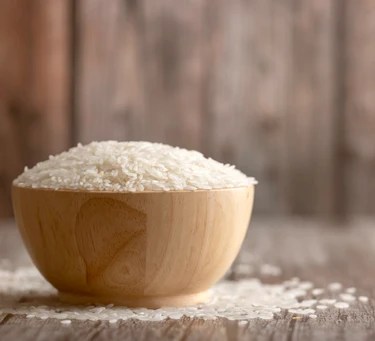
Rice (oryza sativa) is the seed of a cereal grass. It’s one of the most important dietary carbohydrates in the world, with over half the global population depending on it. Typically boiled or steamed, rice can also be ground into a gluten-free flour. It’s a central component of many cuisines including those of India, China and Southeast Asia.

There are many types of rice, but broadly speaking they are categorised by their shape (long or short grain) and colour – white or brown. White rice has had the fibre-rich outer bran of the grain removed along-with the nutrient-rich germ. As a result, it has a longer shelf life, is quick to cook but has a bland, neutral flavour; nutritionally it has less fibre and protein than the wholegrain equivalent. Brown rice, on the other hand, contains both the bran and germ, making it nutrient- and fibre-rich and retains a nutty flavour.

Nutritional benefits of rice

A 100g serving of white rice (boiled) provides:

131 kcal/560KJ
2.8g protein
0.4g fat
31.1g carbohydrate
0.5g fibre
A 100g serving of brown rice (boiled) provides:

132Kcal/562KJ
3.6g protein
0.9g fat
29.2g carbohydrate
1.5g fibre
48mg magnesium
125mg phosphorus

What are the 5 top health benefits of rice?

1. May help maintain a healthy weight

Brown rice contains fibre and protein, both known to have a satiating effect and contributing to a lower glycaemic index (GI) than that of white rice. This means the carbs supplied by a portion of brown rice are converted to energy more steadily. For this reason, opting for brown rice over white helps reduce blood glucose and fasting insulin levels. All of which stabilises energy levels, prevents cravings and may help with weight management.

The picture with white rice is less clear, with some studies suggesting an increase in weight gain and in particular belly fat, whilst other studies show no connection. However, it is thought that a substantial serving of white rice, eaten on a regular basis, may lead to elevations in blood sugar levels, which over time may increase your risk of metabolic syndrome, including weight gain.

2. Brown rice protects against chronic disease

Brown rice retains the bran layer and as such contains protective compounds called flavonoids, examples of these include apigenin and quercetin. These compounds play an important role in protecting against disease. Numerous studies suggest including wholegrains, like brown rice, in the diet is linked to a reduced risk of conditions like heart disease, some cancers including pancreatic and gastric cancers as well as type 2 diabetes.

3. White rice supports energy and restores glycogen levels after exercise

Athletes, often opt for white rice as a preferred source of energy, especially when refuelling after exercise. This is because refined carbs, like white rice, are a source of quick, easily accessible carbohydrate which is needed to replenish muscle glycogen after physical exertion.

4. White rice is easy on the digestive system

White rice is easily digested, low in fibre and when cooked and served correctly is unlikely to cause gastric upset. It may be a useful inclusion for those who suffer from heartburn or nausea as well as during the flare-ups associated with conditions like diverticulitis and Crohn’s disease.

5. It’s a gluten-free grain

Being naturally gluten free, rice is a valuable option for those with coeliac disease or non-coeliac gluten sensitivity. The brown, wholegrain variety is especially useful because it supplies insoluble fibre, which promotes digestive function and ‘fuels’ the beneficial gut bacteria which are so important for health.

Is rice safe for everyone?

Rice is an important dietary staple however, reports have linked it with arsenic contamination, high levels of which, over a consistent period, have been linked with an increased risk of heart disease and cancer. The accumulation of arsenic tends to be greatest in the bran part of the grain, which means wholegrain rice may potentially have higher amounts of this heavy metal contaminant than white rice.

Given their smaller bodyweight, exposure to arsenic is of more concern for children. This risk is increased by their limited dietary choices and the fact that many first foods are rice-based. For this reason, rice milk, which is made from the bran of the grain, should be avoided for all children under 5 years of age.

Some useful kitchen tips may help reduce levels of arsenic such as washing rice before use and using a high volume of water to rice when cooking. That said, rice eaten in moderation as part of a varied and balanced diet should not be a problem for the majority of people.

What are the Health Benefits Of Burger

Health Benefits Of Burger

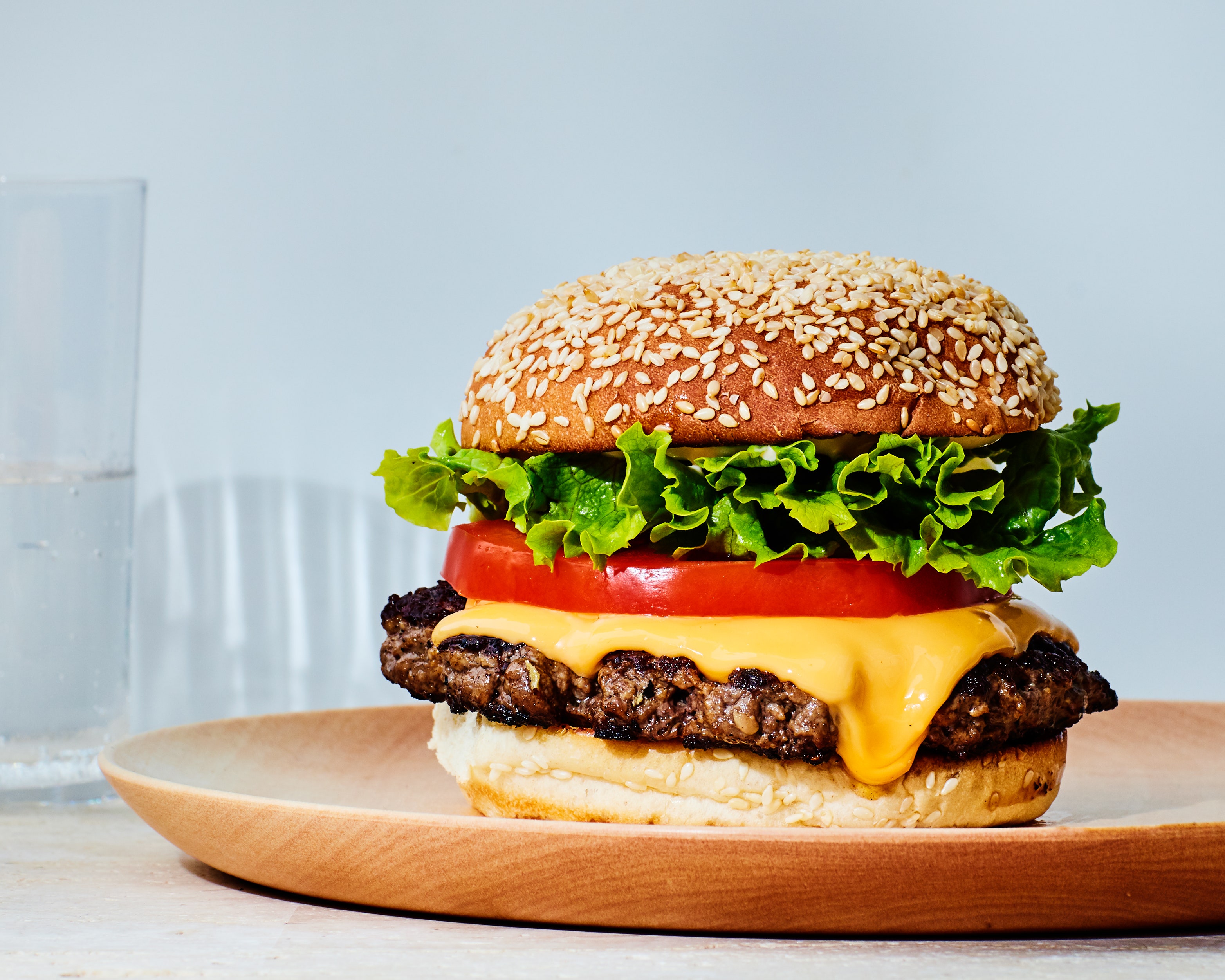
Burgers have a terrible reputation. High in fat and calories, they may be the first food scratched off your menu when you decide to eat healthily. Before you rule out burgers for good, take a look at some of the health benefits they can deliver. If eaten only on occasion, burgers, especially those made with lean ground beef, can boost your health rather than impair it. Though people say it’s bad for health, there is a scientific reason to love and eat the burger as there are many health benefits of the burger.

CLA

Beef is high in a fatty acid called conjugated linoleic acid or CLA. In 1978, scientists at the Food Research Institute at the University of Wisconsin found that grilled burger extract contained compounds that fought cancer growth. That compound turned out to be CLA. Today, CLA is known for more benefits, including the ability to fight inflammatory diseases, such as arthritis, and to promote weight loss and prevent weight gain. To get the most out of your burger, choose beef from grass-fed or free-range animals, as opposed to grain-fed animals. The March 2010 issue of “Nutrition Journal” reports health benefits of the burger is that grass-fed beef has a higher CLA content, but lower overall fat content.

Protein

Building protein is another health benefits of a burger. Every cell in your body contains protein, which makes it vital for good health. It is continuously broken down and replaced and therefore needs to be continually taken in through diet. According to the USDA National Nutrient Database, a 3-ounce burger made with 90 percent lean ground beef contains 21.4 grams of protein or roughly 43 percent of the recommended daily intake of 50 grams.

Vitamins

Burgers contain several vitamins, most of which belong to the B family. The B vitamins are needed to turn food into energy and for the development of red blood cells. The most abundant B vitamin in burgers is vitamin B-12, with 2.5 micrograms, which is 100 percent of the recommended daily intake for adults. Though all B vitamins are essential for good health, a deficiency of B-12 can cause serious side effects such as anemia, numbness, weakness and central nervous system problems such as foggy thinking and loss of balance. Other B vitamins in burgers include B-6, niacin, riboflavin, pantothenic acid, thiamin, and folate. Burgers also contain trace amounts of vitamins E and K.

Burgers are not inherently bad. They contain the macronutrients that should be present in every meal: carbohydrates, proteins, and fats. High rich in vitamins is another health benefit of a burger.

Unfortunately, bread contains a lot of simple carbohydrates. The body breaks these down easily into sugars. In excess, the body converts the sugars into fat for long term storage.

The body functions best when the ratios of macronutrients are balanced based on one’s lifestyle (active vs. sedentary). Because there are so many different lifestyles, and because burgers can be prepared using so many methods/toppings, the ratios between macronutrients are often skewed, so it’s sometimes difficult to tell just how nutritious a particular burger might be.

As a rule of thumb, always eat slowly and stop when you feel full. After all, the point of eating a delicious burger is to enjoy it… not to feel miserable afterward! Feeling satiated is your body signaling that it has received an adequate amount of nutrients. The body will store less fat, and you are unlikely to gain weight.

7 Reasons Why Pizza 🍕 is good for you

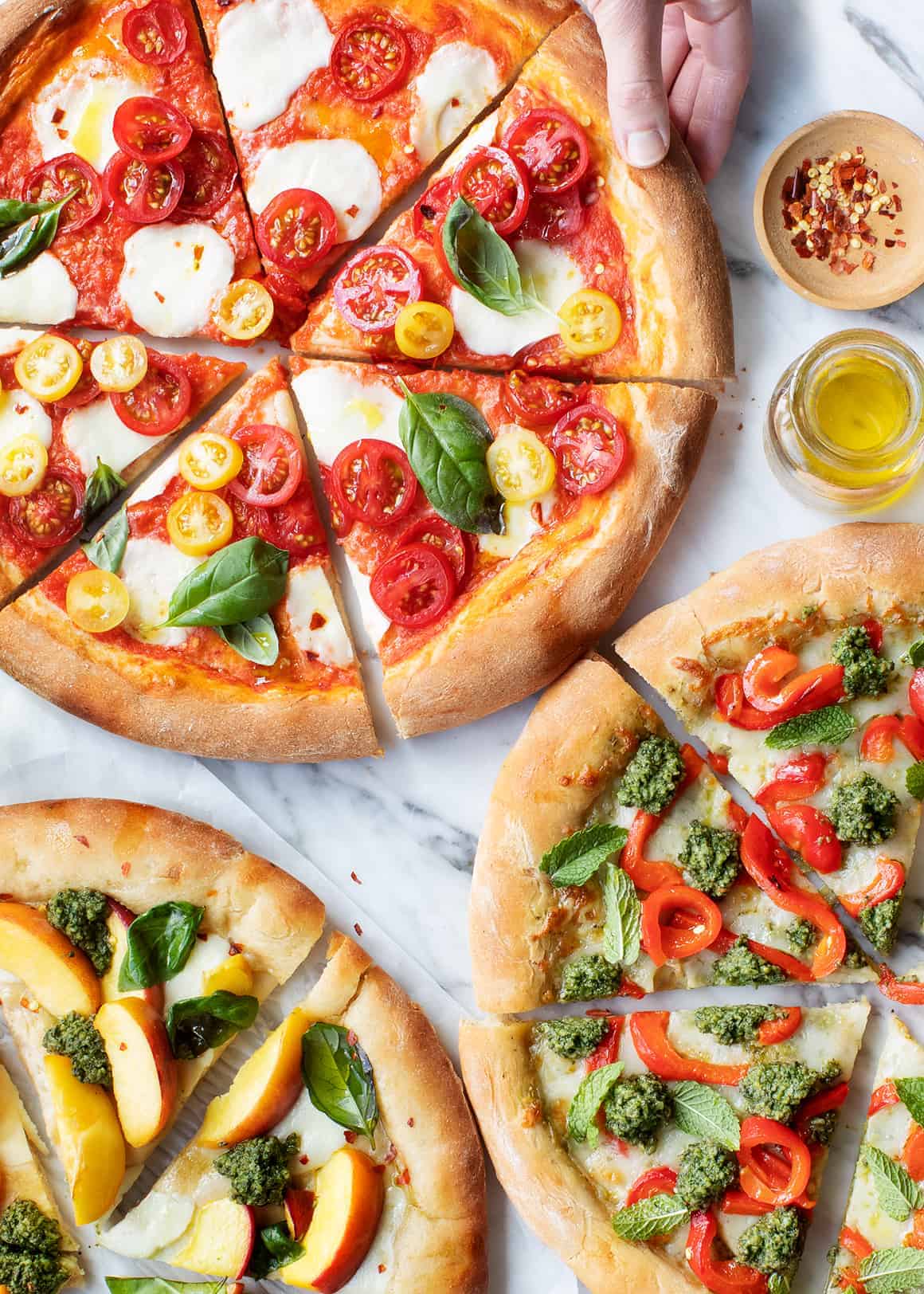
For many years, people have thought of pizza as nothing more than a delicious meal that is really junk food. We’re here to tell you that this just simply isn’t true! When you enjoy a homemade pizza at Steel City Pizza in North Charleston, you will get a pizza that is made with some of the freshest and healthiest ingredients available. Continue reading today’s post to learn seven reasons why pizza is actually good for you and stop by on your lunch break in North Charleston.


1. The average slice of pizza contains 12 grams of protein.

Protein is an essential component of good health. Protein is what helps you to gain muscle, and make hair, blood, connective tissue, antibodies, enzymes, and more. Without enough protein in your diet, you’d start getting sick quite often. While everyone’s daily requirement for protein differs based on their body type and activity levels, it’s important to make sure that you are getting enough. One delicious way to do this is through pizza! The average slice contains 12 grams, which is a great way to get the protein you need while enjoying a delicious meal.

2. Pizza can help you absorb the antioxidant Lycopene.

Lycopene is found in tomatoes, which are used to make the base sauce for pizzas. Lycopene helps to lower blood pressure and bring down high cholesterol. It’s also more easily absorbed from cooked tomatoes as opposed to fresh tomatoes. The next time you’re trying to think of a healthy meal to get for dinner, think pizza!

3. Fresh veggies are one of the healthiest toppings!

You probably heard your parents tell you many times to eat your veggies. In fact, you may have even had one of the infamous dinner-table showdowns where you had to stay at the table until you cleaned your plate. We hope that you childhood experiences with vegetables didn’t ruin them for you. Vegetables are still a great part of a healthy diet, which is why at Steel City Pizza in North Charleston, we are proud to offer a wide selection of fresh veggies to use for your pizza toppings.

4. Thin-crust pizza offers a better-balanced meal.

We’re not going to lie, deep dish pizza is pretty great, but if you’re looking for healthier options, then try ordering your pizza with a thin crust. Not only does it contain fewer calories than a traditional pizza crust, but you’ll have a much better balance of carbohydrates, proteins, and fats. You’ve already seen a number of reasons that show why pizza is good for you, so why not make it even better with a thin crust? Besides, if the thinner crust makes you want to eat more, we won’t tell!

5. Pizza is a better breakfast option than some cereals.

It’s okay to admit this around us — you have not only tried pizza for breakfast, you loved it! As fellow pizza connoisseurs, we can’t imagine why more people don’t try pizza for breakfast! Whether it’s piping hot from the oven or fresh out of the refrigerator, pizza is a wonderful meal to have first thing in the morning. In fact, the next time someone tries to make you feel guilty about your breakfast choice, just remind them that your pizza is healthier than a number of breakfast cereals!

6. Pizza crust made from whole wheat adds fiber to your meal.

If you’ve been considering ordering your next pizza on a whole wheat crust, but haven’t tried it yet, then let us provide you with some facts to convince you that it’s worth it. Whole wheat dough contains fewer carbs than white dough and it also has a higher fiber content. The higher fiber content means that you’ll feel full more quickly, which means that you’ll eat less. The good news is that our pizzas are great to take home with you and finish for your next meal — maybe breakfast.

7. Keep your diet on track with an occasional pizza.

This last reason may sound a bit contradictory, but we plan to show you how this actually works. Whether you are on a short-term diet or a long-term life change with your meals, you want to make sure that you schedule cheat days for yourself. No one is perfect, and if you try to eat the right things all the time every day, there will come a point when you just want to eat the things you shouldn’t.

Depending on how long you ignored your cravings, you might just overdo your cheat meal. Make a plan to enjoy your favorite pizza every now and then so that you can stay consistent with your meal choices the rest of the time. You won’t have to deal with feelings of guilt since you read our post and know that pizza is actually good for you!

We hope that you enjoyed learning seven reasons why pizza is good for you and are looking forward to your next meal at Steel City Pizza in North Charleston. Can’t wait to get to the restaurant? Order online!

Design a site like this with WordPress.com
Get started