If you have a busy weeknight, note that there are a lot of different types of foods that you can prepare and enjoy eating them. The pot chow mein is one of the Chinese foods that you can make within a few minutes. You can follow the right steps or ingredients by corrie cooks to know how to prepare a delicious chow mein. But when you are cooking any form of food, ensure that you have a recipe that will help you to make the right choice. If you decide that you will cook chow mein noodles, here are the health benefits that you will get.
Improve Wellness
Most people across the globe suffer from various conditions. If you have a specific illness that is giving you sleepless nights, there are some of the right foods that you need to include in your diet. When you consume noodles, they can be the right way to enhance wellness. It is said that most of the Chinese people prefer noodles because it is one of the simple ways to manage better wellness. Also, the chow mein noodles will end up bringing a better mood.
Good Immune System
We all understand that there are some types of foods that can help one to have a better immune system. One of the foods that can help you with a better immune system is chow mein noodles. They contain several nutrients such as minerals and vitamins that will help people to feel healthier and better. On the other hand, if you want to have a better immune system, this is the right type of food that you should consume.
Good Metabolic Rate
If you want to remain physically fit, it is crucial to ensure that you know the right diet that you need to consume. When you consume Chow Mein Noodles, it will lead to better body metabolism. In other words, this food stuff will end up increasing your body metabolic rate. Depending on your body type, they can also help in getting rid of excessive fats from the body.
Improve Sleeping
It is no doubt that there are various people outside there who are unable to get better sleep, especially at night, due to the types of food that they consume. Also, you should agree that fullness can also lead to better sleep. Therefore, once you consume these noodles for your dinner, you will manage to have a better sleep. In other words, these Chow Mein noodles will provide good sleep for the whole night.
A massive population beat the heat with a chilled bottle of beer across the world.
Well, not just the heat, beer mostly is preferred for all occasions. One just has to name it.
Beer is also known to help in the prevention of coronary heart diseases, ischemic stroke, type 2 diabetes, and digestive tract infections. But with the benefits, it has limitations too.; Drinking responsibly and in moderation is the key to not being out of the line.
Well, here are some dos and don’ts of drinking beer.
Avoid beer if you are thirsty
Although as refreshing as it sounds, a glass or a bottle of beer typically has an alcohol content between 4.5 per cent to 8 per cent. This gets absorbed much faster than water in the body. So excessive consumption has a high chance of leading to dehydration. In order to prevent any such thing, it is advised to drink water after consumption of beer.
Avoid bread and beer together
This strictly needs to be followed if you do not want to feel bloated after drinking beer. One reason behind this is that both contain yeast and the digestive system cannot process such a high amount of yeast together.
Don’t drink ice-cold beer
Chilled and ice-cold beer are two quite different things. As per experts, chilled beer seems to be refreshing and soothes the body but ice-cold beer can lead to a variety of gastrointestinal issues. This is because the temperature of the gastrointestinal tract decreases rapidly and may end up affecting blood flow which can ultimately affect the digestive system.
Do not drink when you are pregnant
A pregnant woman needs to avoid not only beer but also all sorts of alcoholic beverages. This is because alcohol gets mixed in the blood which is also supplied to the foetus and this can affect its development.
Bananas are incredibly healthy, convenient, delicious, and one of the most inexpensive fresh fruits you can buy. This makes them an excellent choice for anyone interested in eating healthy.
While they’re native to Southeast Asia, they grow ubiquitously in many warm climates, making them available worldwide. The Cavendish variety, the most common type found in grocery stores, starts out firm and green but turns yellow, soft, and sweet as it ripens.
Bananas contain many essential nutrients and may benefit weight loss, digestion, and heart health.
Here are 11 science-based health benefits of bananas.
1. Rich in nutrients
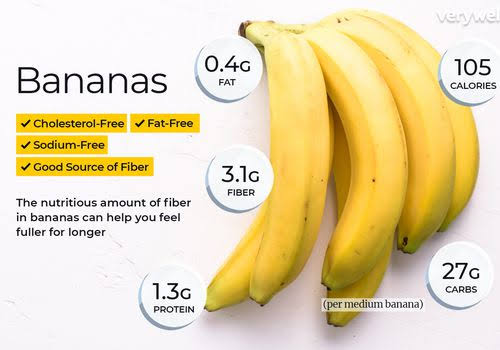
Bananas contain a fair amount of fiber and several antioxidants. One regular-sized banana (126 grams) also boasts (1Trusted Source):
Calories: 112 Fat: 0 grams Protein: 1 gram Carbs: 29 grams Fiber: 3 grams Vitamin C: 12% of the Daily Value (DV) Riboflavin: 7% of the DV Folate: 6% of the DV Niacin: 5% of the DV Copper: 11% of the DV Potassium: 10% of the DV Magnesium: 8% of the DV One banana provides about 112 calories and consists almost exclusively of water and carbs. They hold little protein and no fat.
The carbs in green, unripe bananas are mostly in the form of starch and resistant starch — a type of indigestible fiber we’ll get to shortly. As the fruit ripens, its flavor becomes sweeter while its fiber content drops (2Trusted Source, 3Trusted Source).
2. May improve blood sugar levels
Bananas are rich in soluble fiber. During digestion, soluble fiber dissolves in liquid to form a gel. It’s also what gives bananas their sponge-like texture (3Trusted Source).
Unripe bananas also contain resistant starch, which isn’t digested by your body (2Trusted Source).
Together, these two types of fiber may moderate your blood sugar levels after meals. Plus, they may help regulate your appetite by slowing the emptying of your stomach (4Trusted Source).
This means that despite their higher carb content, bananas won’t cause major spikes in blood sugar levels in healthy individuals. However, while people with diabetes can enjoy bananas, it’s not recommended to enjoy a large portion in one sitting.
3. May support digestive health
Dietary fiber has been linked to many health benefits, including improved digestion. One medium-sized banana provides about 3 grams of fiber (1Trusted Source).
Resistant starch, the type of fiber found in unripe bananas, is a prebiotic. Prebiotics escape digestion and end up in your large intestine, where they become food for the beneficial bacteria in your gut (2Trusted Source, 5Trusted Source).
What’s more, pectin — a fiber found in both ripe and unripe bananas — may help prevent constipation and soften stools (3Trusted Source, 6Trusted Source).
Some test-tube studies even propose that pectin may help protect against colon cancer, although research in humans is still needed to confirm this benefit (7Trusted Source, 8Trusted Source).
4. May aid weight loss
No study has directly tested bananas’ effects on weight loss. However, this popular fruit does have several attributes that could make it a weight-loss-friendly food.
First, bananas have relatively few calories. The average banana has just over 100 calories, yet it’s nutritious and filling (1Trusted Source).
Eating more fiber from vegetables and fruits has repeatedly been linked to lower body weight and weight loss (4Trusted Source, 9Trusted Source, 10Trusted Source).
Furthermore, unripe bananas are packed with resistant starch, so they tend to be filling and reduce your appetite. If you’d like to include unripe bananas in your diet, try using them as you’d use plantains (2Trusted Source, 11Trusted Source).
5. May support heart health
Potassium is a mineral that’s vital for heart health, especially blood pressure management. Despite its importance, few people get enough potassium in their diet (12Trusted Source).
Conveniently, bananas are a great source of potassium, with a medium-sized banana (126 grams) providing 10% of the DV (1Trusted Source).
A potassium-rich diet can help lower your blood pressure. Plus, according to older research and animal studies, people who eat plenty of potassium have up to a 27% lower risk of heart disease (13Trusted Source, 14Trusted Source).
What’smore, bananas contain 8% of the DV for magnesium, another mineral that’s important for heart health (1Trusted Source, 15Trusted Source).
Magnesium deficiency may be linked to an increased risk of heart disease, elevated blood pressure, and high levels of fats in the blood. As such, it’s essential that you get enough of the mineral from your diet or supplements (14Trusted Source).
6. Full of antioxidants
Fruits and vegetables are excellent sources of dietary antioxidants, and bananas are no exception.
They contain several types of potent antioxidants, including flavonoids and amines (3Trusted Source).
These antioxidants are linked to many health benefits, such as a reduced risk of heart disease and degenerative illnesses (16Trusted Source, 17Trusted Source).
They help prevent oxidative damage to your cells caused by free radicals. Without antioxidants, free radicals can build up over time and cause harm if their levels become high enough in your body (16Trusted Source, 17Trusted Source).
7. May help you feel fuller
The soluble fiber in bananas may help keep you full by adding bulk to your digestive system and slowing digestion (16Trusted Source).
Additionally, bananas are relatively low in calories for their size (1Trusted Source).
Combined, the low calorie and high fiber contents of bananas make them a more filling snack than other foods like processed or sugary boxed snacks (17Trusted Source).
Protein is also filling, but bananas are low in this macronutrient. So, for a hunger-fighting snack, try eating a sliced banana with protein-rich foods like Greek yogurt, or blend a banana into a protein shake (16Trusted Source).
8. May improve insulin sensitivity when unripe
Insulin resistance is a significant risk factor for several chronic diseases, including type 2 diabetes.
Several studies reveal that regularly eating resistant starch — for example, by enjoying unripe bananas — may improve insulin sensitivity. This could make your body more responsive to this blood-sugar-regulating hormone (2Trusted Source, 4Trusted Source, 18Trusted Sourcen. However, more research investigating how the resistant starch in bananas might affect insulin sensitivity is needed.
9. May improve kidney health
Potassium is vital for healthy kidney function and blood pressure regulation (19Trusted Source).
As great dietary sources of potassium, bananas could be especially beneficial when it comes to keeping your kidneys healthy.
One study including over 5,000 people with early stage chronic kidney disease linked potassium to lower blood pressure and a slower progression of kidney disease (19Trusted Source).
On the other hand, some people with late stage kidney disease or who are on dialysis need to restrict their potassium intake. If you fall into one of these categories, speak with your healthcare team before increasing your potassium intake (19Trusted Source).
10. May support exercise recovery
Bananas are sometimes referred to as the perfect food for athletes. This is largely due to their content of easily digested carbs, as well as the minerals potassium and magnesium, both of which act as electrolytes (20Trusted Source).
You lose electrolytes through your sweat during vigorous exercise. Resupplying your body with potassium and magnesium after sweating, for example by eating a banana, may reduce exercise-related muscle cramps and soreness (20Trusted Source).
However, specific research on the effects of bananas on exercise performance, cramping, and exercise recovery is lacking.
Nevertheless, bananas provide excellent nutrition before, during, and after exercise.
11. Easy to add to your diet
Bananas are not only incredibly healthy but also one of the most convenient snack foods around.
They make a great addition to yogurt, cereal, and smoothies, and they work a treat as a topping on whole grain toast with peanut butter. You can even use them in place of sugar in your baking and cooking.
Bananas are likewise incredibly easy to eat and transport. They’re usually well tolerated and easily digested. All you need to do is peel them, and you’re good to go.
The bottom line
Bananas are a popular fruit with many potential health benefits.
They may boost your digestion and heart health thanks to their fiber and antioxidant contents. Plus, they may support weight loss because they’re relatively low in calories, nutrient dense, and filling.
Both ripe, yellow bananas and unripe, green bananas can satisfy your sweet tooth and help keep you healthy.
You may love your black coffee in the morning to help you feel energized and get ready for the day, but how much do you know about it? Do you know how drinking black coffee affects your body and your mind? Are you aware of the benefits of black coffee and its side effects?
Black coffee is simply coffee that is normally brewed without the addition of additives such as sugar, milk, cream, or added flavors. While it has a slightly bitter taste compared to when it is flavored with additives, many people love a strong cup of black coffee. In fact, for some, it is part of their everyday diet.
In this article, we talk about the benefits of drinking black coffee, how it can help you in losing weight, potential side effects, as well as how to make the perfect cup of black coffee.
Table of Contents 1. Nutrition value of black coffee 2. Black coffee for weight loss 3. Benefits 4. Recipe 5. Side effects of black coffee 6. Summary 7. Frequently Asked Questions(FAQs)
Nutrition Value of Black Coffee
If you are looking for a drink that is low in calories, fats, and carbohydrates, then black coffee is the perfect drink for you. Simply put, drinking coffee only becomes a cause for concern when you drink it regularly with milk, sugar, cream, etc. With these additives, even a single cup of coffee can contain as many calories as an extra-large slice of cake.
Typically, an 8-ounce cup of black coffee contains:
Fat – 0% Cholesterol – 0% Sodium – 0% Carbohydrates – 0% Sugar – 0% Potassium – 4% As you can see for yourself, black coffee does not provide calories, fats, or cholesterol. However, this does not mean that it is “healthy” or “nutritional”. In fact, black coffee has very low nutritional value besides giving you low amounts of potassium. It’s just that it doesn’t add too many calories.
So, in simple terms, black coffee calories content is very low, which makes it an ideal drink for those who are looking for a regular drink that won’t harm their health. If you want to derive more nutrition from your coffee, then you can do so by choosing to go with different types of coffee drinks such as latte, mocha, cappuccino, and others.
Black Coffee for Weight Loss
Many people, even those who drink black coffee regularly, are unaware that the beverage is a great catalyst for losing weight.
If you want to lose weight because of aesthetic or health reasons, or you just don’t feel good in your own body, it is no secret that diet is an important part of any weight loss journey. You must consume foods and beverages that will help you achieve your goal, and black coffee is one of them.
Below, we discuss black coffee benefits for weight loss:
Black coffee contains chlorogenic acid, which helps to slow down glucose production in your body. This means that if you drink black coffee after a meal, then your body will produce less glucose and fat cells. Black coffee also contains antioxidants, which help in the weight loss process. Since black coffee is rich in caffeine, it helps in the stimulation of metabolic activity and increases your energy level, thereby suppressing hunger. As mentioned before, black coffee is a low-calorie drink, and also does not contain fats or cholesterol. This means that you do not put on any weight by drinking black coffee daily. Many people love to take black coffee a few minutes before they hit the gym. This is because it can boost metabolism greatly, allowing you to reap more benefits from your workout session. Other black coffee benefits for weight loss include the reduction of water content in the body. As a result of frequent urination, you will reduce excess water in your body, which helps in temporary weight loss. If you are taking black coffee for weight loss, it is important to note that you should drink it without any additives. This means no sugar, cream, milk, or any other added flavor. With such additives, then all these benefits discussed above are nullified because then your drink will contain calories, fats, and cholesterol. That said, it is a must to follow a proper diet routine to lose weight.
6 Proven Benefits of Black Coffee
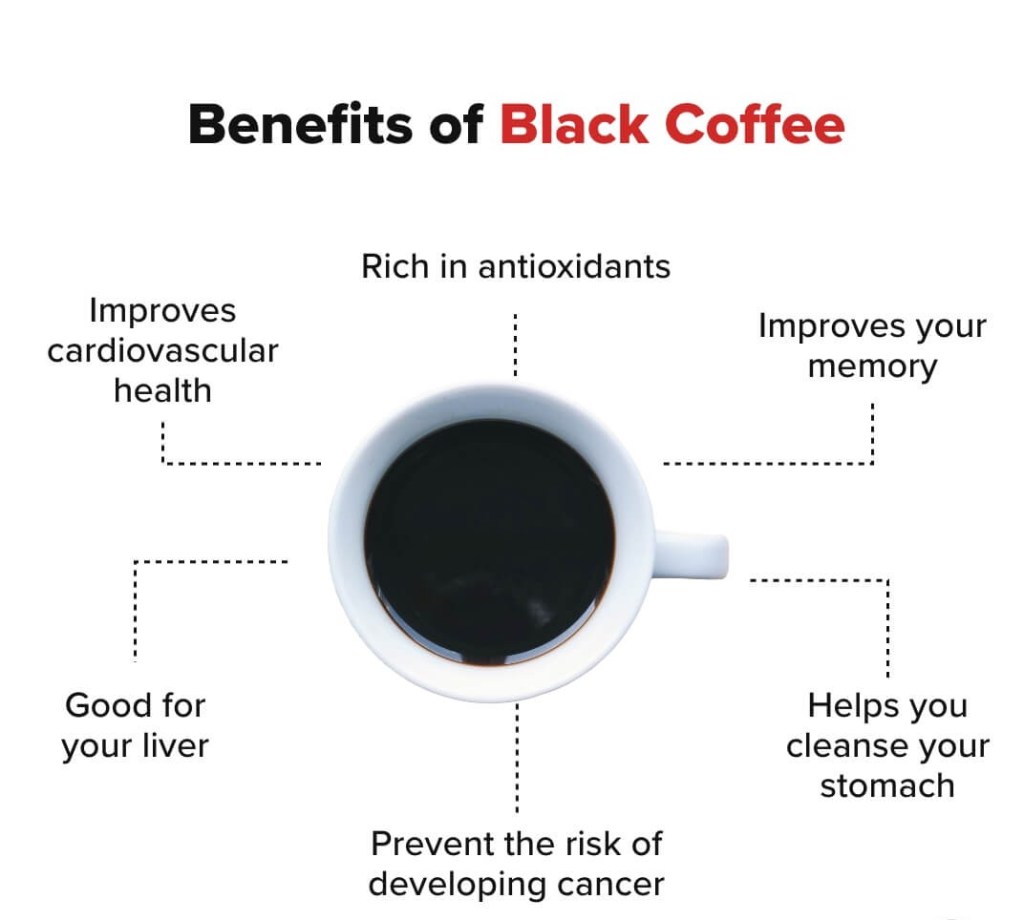
If you love black coffee, you will be happy to learn that the beverage offers plenty of benefits, both for your body and your mind. Let’s discuss these black coffee benefits below:
1. It improves cardiovascular health
Regular intake of black coffee may lead to an increase in your blood pressure, but this effect diminishes with time.
Studies have shown that drinking one to two cups of black coffee every day can reduce your risk of developing various cardiovascular diseases, including stroke. This means that over time, black coffee gives you a stronger heart. Besides, reducing inflammation in the body.
2. It improves your memory
Black coffee is known to be great for improving your memory. As we grow older, our cognitive skills get affected, and we are more likely to develop memory-related diseases such as Alzheimer’s, Dementia, and Parkinson’s diseases.
Drinking black coffee regularly can help combat these by keeping your brain fit and healthy. It keeps your nerves active, thus enhancing brain function.
3. It is good for your liver
One of the most important black coffee benefits is that it boosts liver health.
Your liver is a vital organ in your body that carries out many functions. You must keep it healthy and black coffee is perfect for that. Regular intake of black coffee has been linked with the prevention of liver cancer, fatty liver disease, hepatitis, and alcoholic cirrhosis.
Studies have shown that people who consume four cups of black coffee every day have much lower chances of developing any kind of liver disease. This is because the contents of black coffee can help to lower the level of harmful liver enzymes that are found in the blood.
4. It helps you cleanse your stomach Coffee is a diuretic beverage, which means that the more you consume, the more often you will urinate.
This means that toxins and bacteria get flushed out from your stomach every time you urinate. This cleanses your stomach and keeps you generally healthy.
Coffee is a diuretic beverage, which means that the more you consume, the more often you will urinate.
This means that toxins and bacteria get flushed out from your stomach every time you urinate. This cleanses your stomach and keeps you generally healthy.
5. It may help prevent the risk of developing cancer
Studies have shown that regular consumption of black coffee may be linked with a lower risk of developing certain types of cancer such as liver cancer, breast cancer, colon cancer, and rectal cancer.
Coffee is great for reducing inflammation in your body, which helps to prevent tumor development.
6. It is rich in antioxidants
Many of the health benefits of black coffee are because of its rich antioxidant content.
Strong antioxidants such as Potassium, magnesium, Vitamin B2, B3, and B5, as well as manganese, are found in black coffee.
how to make black coffee?
while there is no one correct way of making black coffee and different people make their black coffee in their own ways, there are steps you can take to ensure that your beverage tastes amazing every time.
there are two ways you can make black coffee – by grinding it on your own, or by using a machine.
if you want a clear black coffee with a truly delicate taste, then grinding it on your own is the best option. take about three tablespoons of coffee and grind them till they are as fine as sea salt. boil about 600 grams of water. add a filter to your dripper, filling it with the ground coffee. gently tap the surface and pour it over in a cup. your black coffee will be ready in no time.
another option is to simply use a coffee machine, which most people do because of how convenient it is.
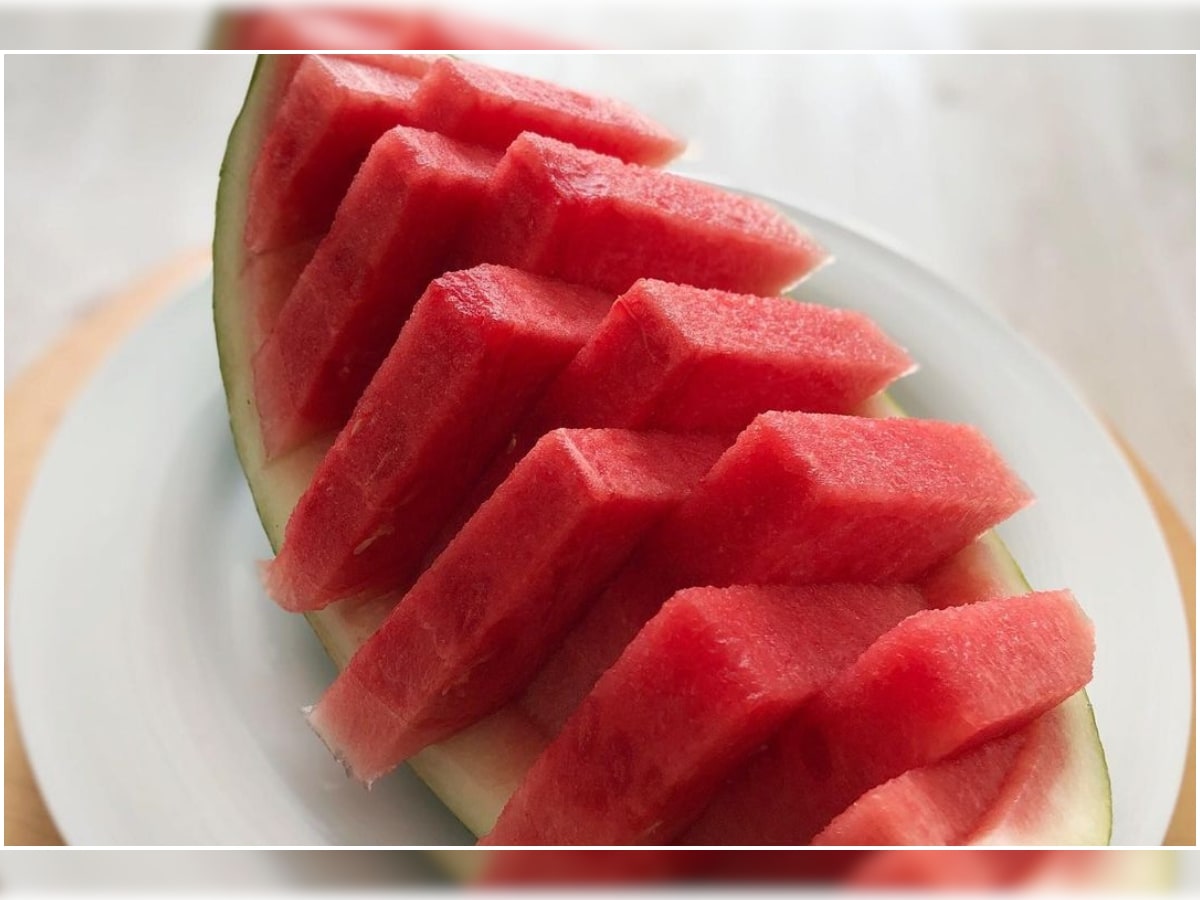
Watermelon is believed to have first been domesticated over 4,000 years ago in Northeast Africa (1Trusted Source).
It’s sweet and juicy, making it the perfect treat to quench your thirst during the summer heat.
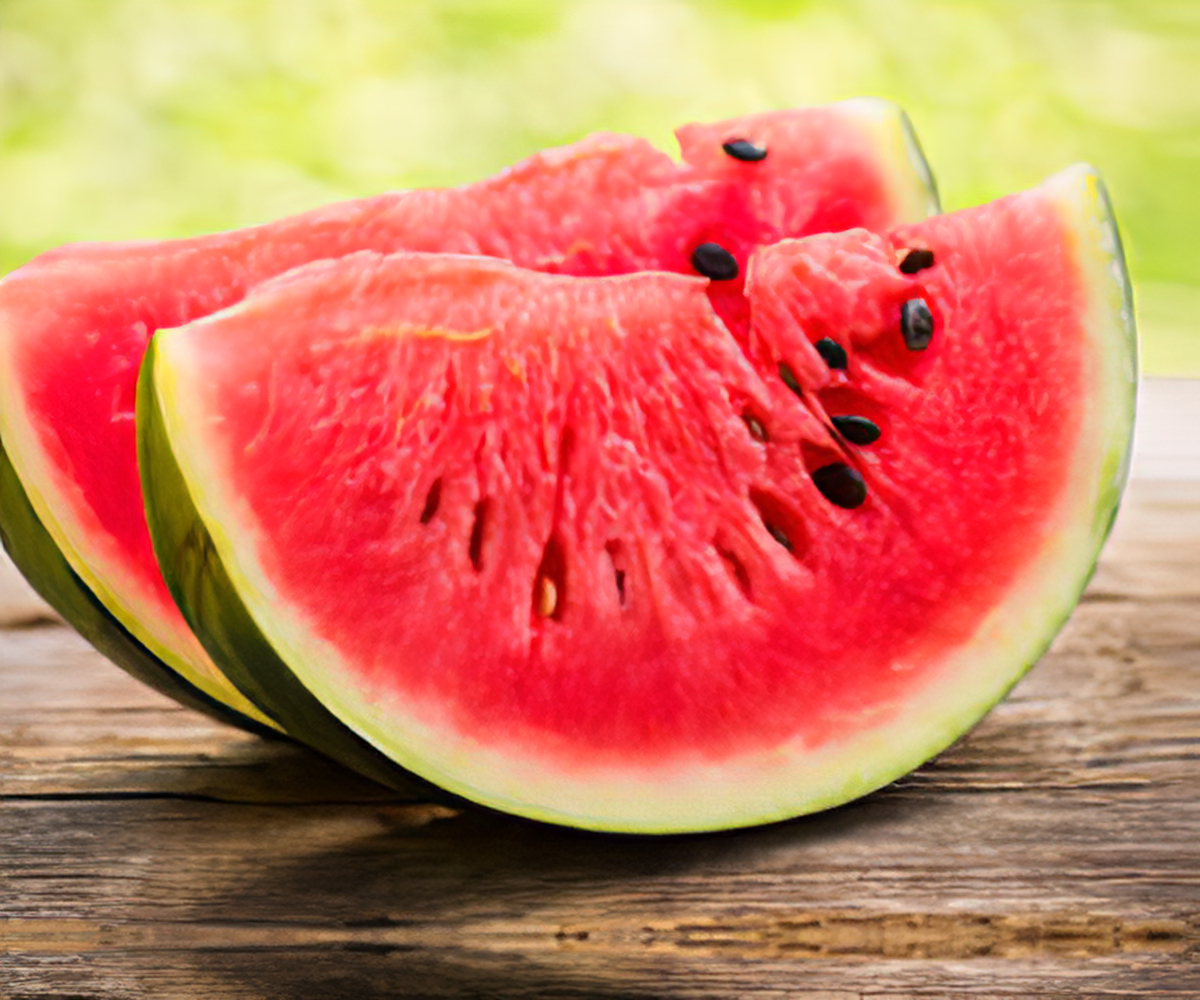
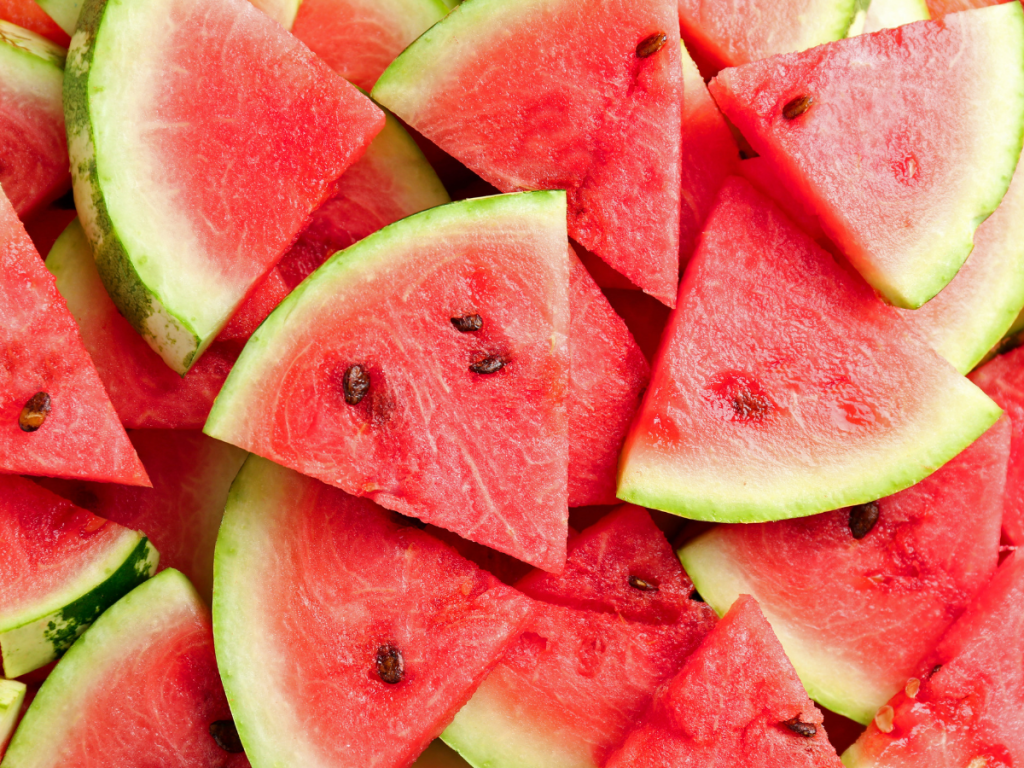
This large round fruit has a green rind and bright red flesh. It’s also packed with nutrients, including antioxidants and vitamins A and C.
Here are 9 of the top health benefits of watermelon.
1. Helps you stay hydrated
Staying hydrated is important for your body to function properly.
Body temperature regulation, normal organ function, nutrient delivery to cells, and alertness are only some of the bodily processes that rely on adequate hydration (2Trusted Source).
Eating foods with a high water content may help give your body the water it needs to function properly.
Watermelon comprises 92% water, making it a great choice for daily water intake (3Trusted Source).
Furthermore, due to its high water content, this melon has a low calorie density — in other words, very few calories for its total weight.
Eating foods with low calorie densities, such as watermelon, may aid weight management by keeping you feeling full for longer (4Trusted Source).
SUMMARY
Watermelon’s high water content may help keep you hydrated — which supports your overall health — as well as feeling full.
2. Packed with nutrients and beneficial plant compounds
Watermelon contains a variety of nutrients, including potassium, magnesium, and vitamins A and C. It’s also relatively low in calories, containing just 46 per cup (152 grams) (5Trusted Source).
Here are the nutrients in 1 cup (152 grams) of raw, diced watermelon:
Calories: 46 Carbs: 11.5 grams Fiber: 0.6 grams Sugar: 9.4 grams Protein: 0.9 grams Fat: 0.2 grams Vitamin A: 5% of the Daily Value (DV) Vitamin C: 14% of the DV Potassium: 4% of the DV Magnesium: 4% of the DV Watermelon is also a rich source of citrulline, an amino acid that may improve exercise performance (6Trusted Source).
Plus, it boasts antioxidants, including vitamin C, carotenoids, lycopene, and cucurbitacin E (3Trusted Source, 7Trusted Source).
These compounds help combat free radicals, which are unstable molecules that may damage your cells if they accumulate in your body. Over time, this damage may lead to conditions like diabetes, heart disease, and cancer (8Trusted Source).
SUMMARY
Watermelon boasts numerous nutrients, including a substantial amount of vitamins A and C. It also offers antioxidants like lycopene and cucurbitacin E.
3. May have anticancer effects
Several plant compounds found in watermelon, including lycopene and cucurbitacin E, have possible anticancer effects.
While study results are mixed, lycopene intake may be associated with a lower risk of some types of cancer, such as prostate and colorectal cancers (9Trusted Source, 10Trusted Source, 11Trusted Source, 12Trusted Source).
Lycopene is believed to work by lowering blood levels of insulin-like growth factor (IGF), a hormone that promotes cell division. Notably, cancer forms when cell division becomes uncontrollable (13Trusted Source).
Additionally, cucurbitacin E may inhibit tumor growth by promoting the autophagy of cancer cells. Autophagy is the process by which your body removes damaged cells (14Trusted Source, 15Trusted Source).
All the same, further human research is necessary.
SUMMARY
Watermelon contains plant compounds that may combat certain forms of cancer. However, more studies are needed.
4. May improve heart health
Several nutrients in watermelon may support heart health.
Heart disease is the leading cause of death worldwide. It’s worth noting that lifestyle factors like diet may lower your risk of heart attack and stroke by reducing your blood pressure and cholesterol levels (16Trusted Source, 17Trusted Source).
Studies suggest that lycopene may help lower cholesterol and blood pressure. It may also help prevent oxidative damage caused by high cholesterol levels (3Trusted Source).
Watermelon also contains citrulline, an amino acid that may increase nitric oxide levels in your body. Nitric oxide helps your blood vessels expand, which lowers blood pressure (18Trusted Source).
Other heart-healthy vitamins and minerals in watermelon include magnesium, potassium, and vitamins A, B6, and C (3Trusted Source).
SUMMARY
The lycopene and citrulline in watermelon may support heart health by lowering blood pressure and cholesterol.
5. May reduce inflammation and oxidative stress
Inflammation is a key driver of many chronic diseases.
The combination of antioxidants, lycopene, and vitamin C in watermelon may help lower inflammation and oxidative damage (3Trusted Source).
In one study, rats fed watermelon powder to supplement an unhealthy diet developed less oxidative stress and lower levels of the inflammatory marker C-reactive protein than those in the control group (19Trusted Source).
Additionally, an 8-week study gave 31 people with obesity and high inflammatory markers 500 mg of vitamin C twice daily. They showed a significant decrease in inflammatory markers compared with the control group (20Trusted Source).
As an antioxidant, lycopene may also delay the onset and progression of Alzheimer’s disease. However, more research is needed (21).
SUMMARY
Watermelon contains compounds that may help reduce inflammation, high levels of which are linked to numerous illnesses.
6. May help prevent macular degeneration
The watermelon compound lycopene may have benefits for your eyes.
Age-related macular degeneration (AMD) is a common eye problem that can cause blindness in older adults (3Trusted Source).
Lycopene’s role as an antioxidant and anti-inflammatory compound may help prevent and inhibit AMD, though research is limited (22Trusted Source, 23Trusted Source).
One test-tube study that treated eye cells with lycopene found that it decreased the capacity of inflammatory markers to damage cells (22Trusted Source).
Keep in mind that human research is necessary.
SUMMARY
Lycopene may help prevent AMD due to its antioxidant and anti-inflammatory properties. Still, further studies are needed.
7. May relieve muscle soreness
Citrulline, an amino acid found in watermelon, may improve exercise performance and reduce muscle soreness (24Trusted Source, 25Trusted Source).
It’s also available as a supplement.
One review found that regular intake of citrulline for at least 7 days improved aerobic performance by increasing the body’s production of nitric oxide (26Trusted Source).
This compound helps expand blood vessels so that your heart doesn’t need to work as hard to pump blood through your body (27).
What’s more, some evidence suggests that watermelon itself — not just citrulline — may aid your body after exercise.
One older study gave athletes plain watermelon juice, watermelon juice mixed with citrulline, or a control drink. Both watermelon drinks led to less muscle soreness and quicker heart rate recovery than the control drink (28Trusted Source).
Still, more research is needed.
SUMMARY
The citrulline in watermelon may help improve exercise performance and decrease muscle soreness.
8. May aid skin health
Vitamins A and C, which are found in watermelon, are important for skin health.
Vitamin C — either when eaten or applied topically — helps your body make collagen, a protein that keeps your skin supple and your hair strong (29Trusted Source, 30Trusted Source).
One review found that a higher intake of vitamin C from food and/or supplements may decrease your chances of developing wrinkles and dry skin (31Trusted Source, 32Trusted Source).
Vitamin A is also important for healthy skin since it helps create and repair skin cells (33Trusted Source).
In one review, animals with vitamin A deficiency had poorer wound healing than those fed a nutritionally complete diet (34Trusted Source).
Bear in mind that further human studies on watermelon specifically are needed.
SUMMARY
Several nutrients in watermelon promote hair and skin health, though more research is necessary.
9. May improve digestion
Watermelon contains plenty of water and a small amount of fiber, both of which are necessary for healthy digestion.
Fiber helps keep your bowels regular, while water moves waste through your digestive tract more efficiently (35Trusted Source, 36Trusted Source).
One survey in 4,561 adults found that those with low fluid and low fiber intakes were more likely to experience constipation. Nonetheless, other factors may have played a role (37Trusted Source).
SUMMARY
The fiber and water content in watermelon may aid your digestive health by supporting regular bowel movements.
The bottom line
Watermelon is a tasty, thirst-quenching fruit that many people enjoy in the heat of summer.
It has a very high water content and provides nutrients like lycopene, citrulline, and vitamins A and C.
Studies suggest that this sweet, red melon may even boost heart health, reduce muscle soreness, and decrease inflammation, though more research is needed.
In this section on Nutrition and Health you will find all of the information you need about the nutritional value and health benefits of bread and why bread is an essential part of a healthy, balanced diet.
Bread is a key staple in the British diet and provides many of the nutrients required for normal development and good health.
Here are some key nutritional facts about bread:
Calcium
White bread is fortified with calcium and four medium slices per day would provide over 30% of the recommended daily intake of calcium which we need every day to maintain healthy bones and teeth.
Fiber
Bread, especially wholemeal, is an important source of dietary fibre which helps to keep our digestive system healthy, helps control blood sugar and cholesterol levels and makes us feel fuller for longer.
Protein
Bread is a low fat source of protein which is required by our bodies for growth, renewal and repair.
Iron
White bread is fortified with iron. Iron is important for energy and concentration, a healthy immune system and healthy blood.
Vitamins & Other Minerals
Bread contains a wide range of vitamins and minerals including B group vitamins thiamine (B1), Niacin (B3) which are important for releasing energy from food and maintaining healthy skin, eyes and nails. It contains the B vitamin Folate (Folic Acid) which is important for pregnancy as it can help to prevent neural tube defects such as spina bifida.
Energy
Bread is relatively low in calories. An average medium slice of white bread contains 77 calories, brown contains 72 calories and wholemeal contains 79 calories.
Fat
Bread is a low fat food. An average medium slice of white bread contains 0.6g of fat, brown bread contains 0.7g and wholemeal contains 0.9g. Just be careful with what you put on it and stick to healthy options for spreads and toppings.
Sugar
Most breads are low in sugar which is important for healthy teeth and maintaining a healthy weight.
Lose weight while eating steak, burgers, cheese, and bacon? High-protein, low-carb plans like Atkins and the Zone can work. But you should consider the pros and cons before you decide to try one.
How Much Protein?
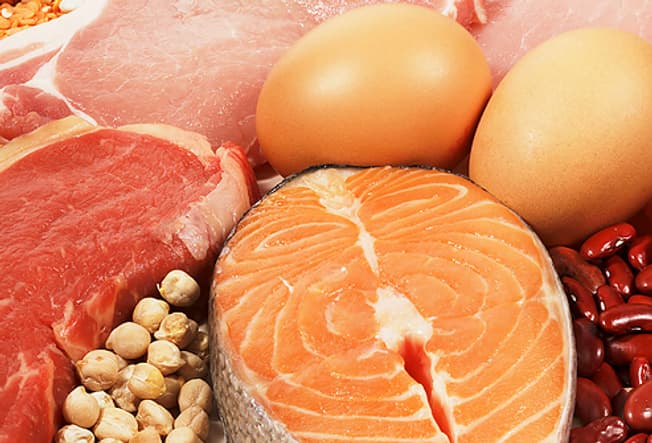
Women need at least 50 grams of protein a day — men about 60 grams per day. With a high-protein diet, it can be much more than that. This extra protein can come from beans, meat, nuts, grains, eggs, seafood, cheese or vegetarian sources like soy. These diets often restrict carbs like cereals, grains, fruits, and possibly vegetables.
How Do High-Protein Diets Work?
When you cut out carbohydrates, you lose weight quickly because you lose water. Then, with no extra carbs, the body begins burning more fat for fuel. This can lead to ketosis, which may make losing weight easier because you feel less hungry. Ketosis may cause temporary headaches, irritability, nausea, bad breath and sleeping problems for some people.
Pros and Cons
You can lose weight on a high-protein diet. Choose lean meats and dairy for your proteins. Find a program that includes vegetables, so you don’t miss out on fiber and other important nutrients.
Starting a High-Protein Diet
Be choosy. The best high-protein plans focus on lean proteins and include some carbs. Avoid huge helpings of fatty meats and make sure to include vegetables. Ask your doctor, or a dietitian, to help you pick the right diet.
Choose Lean Beef
Nothing says protein like a nice, juicy steak. And if you choose a lean cut, you will get all of the protein with far less unhealthy fat. In fact, a lean cut of beef like a top round steak has barely more saturated fat than a similar-sized skinless chicken breast.
Tips for Picking Poultry
If you choose white meat when you’re buying chicken or other poultry, you’ll get a lot less fat than if you eat dark meat. Also, remove the skin, which has saturated fat.
Don’t Overlook Pork
Pork offers plenty of protein without too much fat, if you know what type to buy. Look for tenderloin, top loin, rib chops, sirloin steak, or shoulder blade steaks. Pork cuts are much leaner than they were decades ago.
Fish Offers Healthy Fats
Fish is loaded with protein and almost always low in fat. Even the fish that have more fat, such as salmon and tuna, are good choices. Those fish generally have omega-3 fatty acids, which are good for your heart. Most people don’t get enough omega-3s.
Eggs for Low-Cost Protein
Eggs are a good source of lean protein. And even though there is cholesterol in the yolk, it is not as likely to raise your cholesterol level as foods that contain saturated fats and trans fats do.
Try Soy
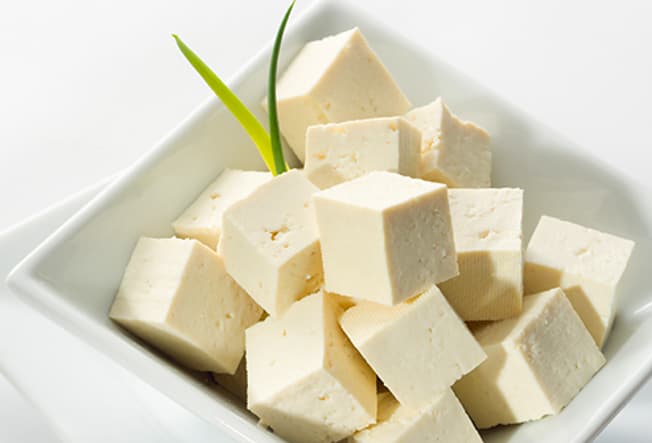
Protein doesn’t come only from animals. Tofu, soy burgers, and other soy-based foods are plant-based sources of protein. Bonus: Eating 25 grams of soy protein daily may help lower cholesterol.
Eat More Beans
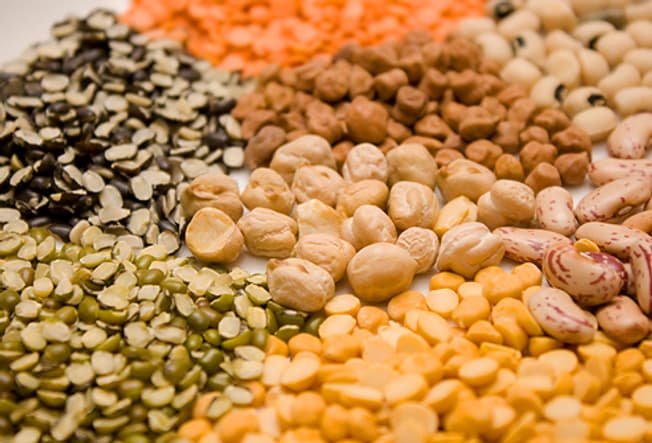
One and a quarter cup of beans has about as much protein as 3 ounces of broiled steak. Along with protein, the fiber in beans helps you feel full longer and also helps lower your LDL (“bad”) cholesterol.
Low-Fat Dairy Adds Calcium
Milk, cheese, and yogurt give you protein and calcium for strong bones and a healthy heart. Low-fat, nonfat, or reduced-fat dairy products can help you keep calorie counts down.
Go Whole Grains, Go Fiber
Most high-protein diets limit grains, so make sure the grains you do eat are pulling their weight. Favor whole grains. You’ll get fiber and nutrients. If you’re buying products made with whole grains, check the labels to make sure they’re not high in sugar or fat.
Leave Room for Fruits and Veggies
Most low-carb diets still include some vegetables but often limit fruit. There’s no known harm to cutting out fruit temporarily to keep your carb count down. However, for your long-term health choose a plan that includes fruit after you reach your weight goal.
Lychee fruit is a small round fruit with red scaly skin, sweet juicy pulp, and one large seed. Lychee is also known as litchi. It’s a popular fruit in Asia and found in many desserts and drinks like jellies, cocktails, and ice creams.
Lychee is a fruit that’s been cultivated for thousands of years in China. Today it grows in many regions including India, Vietnam, Indonesia, Australia, and the United States.
You can buy lychee fresh, dried, and canned. Lychee is also made into preserves, wine, and sauces.
Calories and Nutrition in Lychee
A 100-gram (3.5-ounce) serving of fresh lychee fruit contains:
66 calories 0.83 grams of protein 0.44 grams of fat 16.5 grams of carbohydrates 1.3 grams of dietary fiber 15.2 grams of sugar 71.5 milligrams of Vitamin C
Possible Health Benefits of Lychee Fruit
Lychee is a fruit containing healthy vitamins and antioxidants. Here are some of its health benefits.Daily fruit intake. It’s recommended that you get at least 1.5 to 2.5 cups of fruit a day and 2 to 4 cups of vegetables. Eating more fruits and vegetables can help lower your risk of developing illnesses such as cardiovascular disease, stroke, and some types of cancer.
Trying new fruits and vegetables like lychee make your meals more interesting. Eating fruits instead of a dessert may help you stick to a weight control plan.
Vitamins. Lychee fruit is a good source of vitamin C. It’s recommended that adults get about 75 milligrams to 90 milligrams of vitamin C every day. A 100-gram serving of lychee gives you 71.5 milligrams of vitamin C.
Liver health. Your liver plays several important functions in your body. This includes converting nutrients into substances your body can use and removing toxins. Early studies have found that lychee fruit may be able to help control liver disease.
Anti-cancer activity. Lychee extract has possible anti-cancer properties. It may have the potential to stop the cell growth of different cancers. But more studies are needed.
Oligonol. Lychee fruit contains a polyphenol called oligonol. This acts as an antioxidant.
Oligonol is also used as a dietary supplement. It’s a product made of compounds derived from lychee fruit extract and green tea extract.
A 12-week study of overweight and obese women found that those who took oligonol had lower triglycerides and no weight gain compared to those who took a placebo.
Other studies suggest that oligonol may affect inflammation and cortisol levels after exercise.
Cortisol is one of your body’s stress hormones. It also regulates your metabolism, immune, and inflammatory responses.
Oligonol is derived from lychee fruit extract. But it’s produced by a manufacturing process that alters these antioxidants. So the lychee you buy at the grocery store may not have these effects.
Adverse Effects of Lychee Fruit
When eaten as part of a healthy diet, lychees typically don’t adversely affect your health.
Low blood sugar. Lychee fruit has been linked to brain inflammation in children in some villages in India. Researchers say a compound in lychees known as hypoglycin A can cause your blood sugar level to drop. This results in low blood sugar, or hypoglycemia.
But malnutrition may also have been part of the blood sugar issues in this study. Many of these children ate lychees and didn’t have dinner. They fell sick the next morning with symptoms like seizures and high fever.
Allergies. Lychee contains some proteins that can lead to rare allergic reactions. There have been few scientific studies on allergies to lychee fruit. They reported symptoms such as:
Hives (urticaria) Itchiness Swelling of the lips and tongue Difficulty breathing.
How to Use Lychee
You can find fresh lychee in some grocery stores. Asian supermarkets often sell canned and dried lychees. Canned lychees often have sugar added. Check the label to see if they’re in sugar-sweetened syrup or their own juice.
In the US, lychee season begins in May and runs through the summer. You can refrigerate fresh lychee fruit for 5 to 10 days. It can also be frozen whole with the peel on. Dried lychee can be stored for up to 1 year at room temperature.
Some ways to use fresh or canned lychee include:
Using lychee juice (from a can of lychee fruit) to make a cocktail Stir-frying it with pork, chicken, or shrimp Chopping up lychee and mixing it with avocado, lime juice, cilantro, and onion to make a salsa Making a fruit salad with lychee fruit, pineapple chunks, melon, and other favorite fruits.
There’s nothing better than a chilled glass of sugarcane juice on a hot summer day. But, have you wondered what are the benefits of sugarcane juice? Sugarcane, a grass plant that can be found in 36 varieties, has no fats and is a 100 percent natural drink.
An 8-ounce serving, approximately 240 ml of sugarcane juice (with no additives) contains 250 calories, with 30 gm natural sugars. It has zero content of fat, cholesterol, fiber, and protein but contains sodium, potassium, calcium, magnesium, and iron. You would think that this sugar-rich drink is a popular summer drink that keeps you hydrated. However, it has numerous health benefits but we’ve rounded up 10 of them for you.
10 Health Benefits of Sugarcane Juice
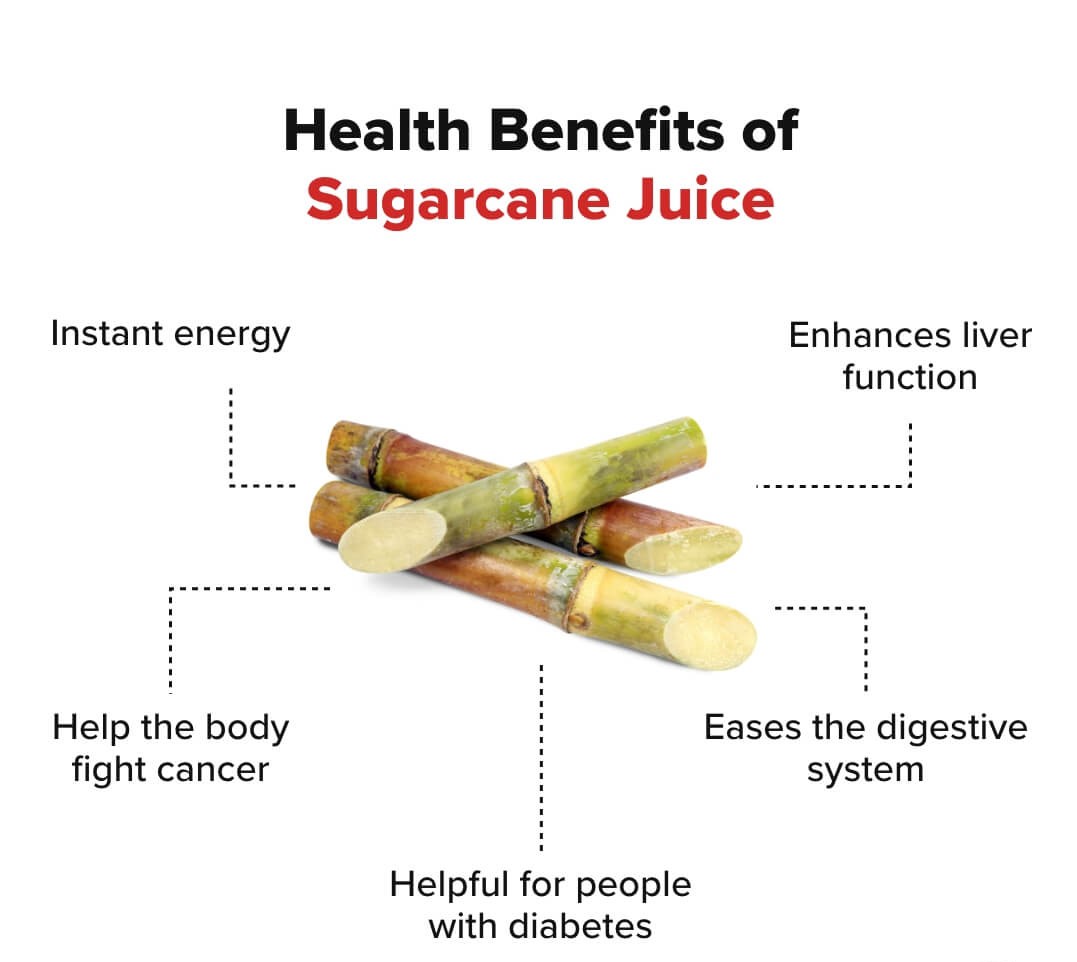
1. Sugarcane juice gives you a shot of instant energy
There’s a reason sugarcane juice sells at most roadside kiosks in summer. It’s the best way to energize yourself and ensure you don’t experience dehydration. The simple sugars in the juice are easily absorbed by the body and are used to replenish sugar levels.
2.Sugarcane juice enhances liver function
Sugarcane juice is said to be one of the best natural treatments for liver-related ailments such as jaundice. Since sugarcane juice is alkaline in nature, it helps in maintaining the electrolyte balance in the body.
3. Help the body fight cancer
The high concentration of calcium, magnesium, potassium, iron, and manganese makes sugarcane juice alkaline in nature. The presence of flavonoids helps the body stave off cancerous cells, especially prostate and breast cancer.
4. It eases the digestive system
Among other benefits of sugarcane juice it also is exceptional for people suffering from digestive distress. The potassium in sugarcane juice balances the pH levels in the stomach, facilitates the secretion of digestive juices, and keeps the system on track. It also helps prevent stomach infections.
5. Sugarcane Juice helpful for people with diabetes
Though the high sugar content in sugarcane juice may make diabetics wary of consuming this juice. But, in moderation, sugarcane juice can benefit diabetics, the natural sugar has a low glycemic index that prevents frequent spikes in blood glucose levels.
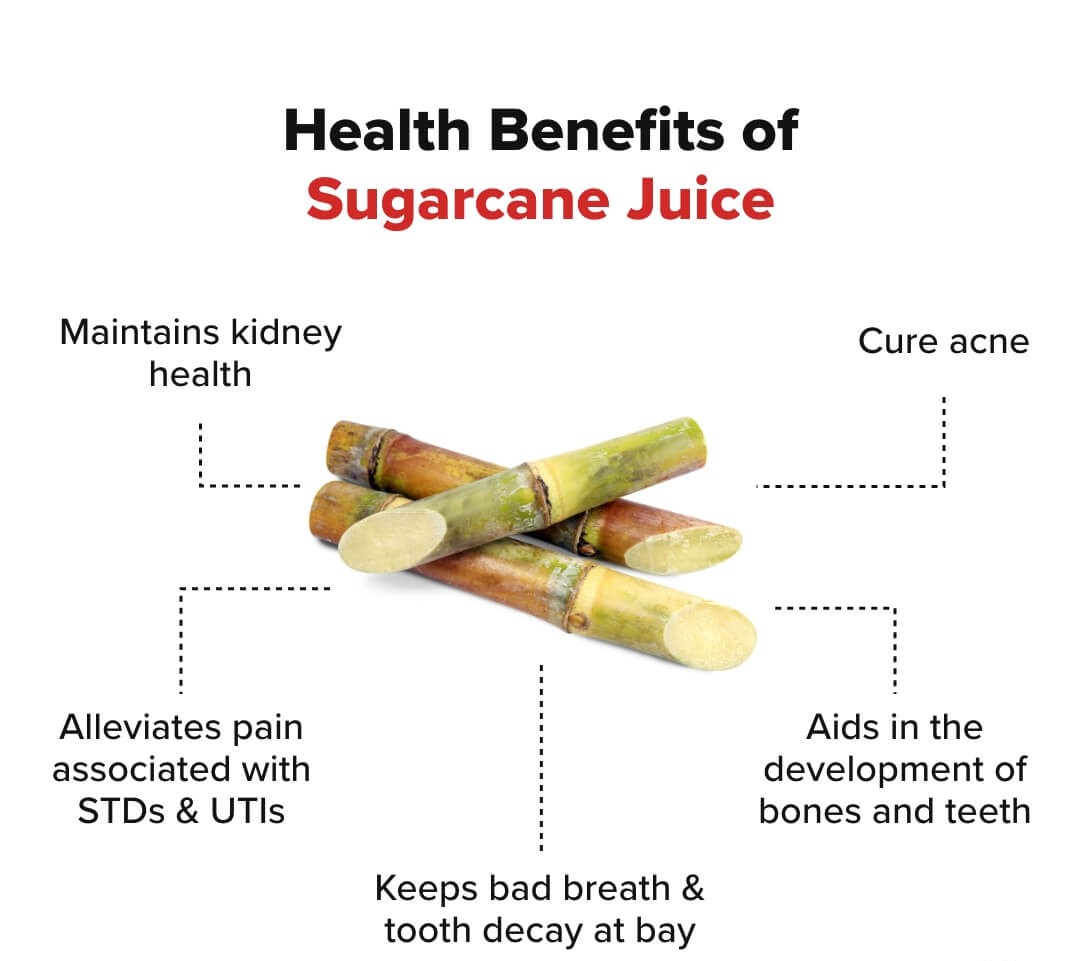
6. Sugarcane juice maintains kidney health
Being a natural low-cholesterol, low-sodium food, with no saturated fats, sugarcane juice helps to keep the kidneys in top shape.
7. It alleviates pain associated with STDs & UTIs
If consumed in a diluted form, with lime juice and coconut water, sugarcane juice can help reduce body inflammation that can be caused by sexually transmitted diseases, urinary tract infections, kidney stones, and prostatitis.
8. Aids in the development of bones and teeth
Back in the day, chewing on a sugarcane stick used to be a regular pastime for young children and adolescents. Apart from keeping them occupied, the calcium-rich benefits of sugarcane juice also ensures proper development of the skeletal system, bones, and teeth.
9. Sugarcane juice keeps bad breath & tooth decay at bay
Experiencing bad breath linked to tooth decay? Sugarcane juice can be your saving grace. Sugarcane is rich in minerals, including calcium and phosphorus, and also helps build tooth enamel and strengthen teeth, ensuring they are prone to decay. It also overcomes bad breath caused due to the deficiency of these nutrients.
10. Sugarcane Juice can help cure acne
Topical use of sugarcane juice has the ability to help reduce and cure skin problems such as acne. Since, sugarcane juice contains alpha-hydroxy acids (AHAs) like glycolic acid, it increases cell turnover. They also exfoliate the skin, eliminating chances of acne buildup. Simply mix the juice with Fuller’s earth (multani mitti) into a mask-like consistency, apply on the face and neck and leave on for 20 minutes. Finally, wash off with cool water.
The sugar contained in sugarcane juice is natural, but keep in mind that it is essentially sugar. Consume this healthy beverage in moderation and run it past our Coaches if you suffer from a medical condition.
curd acts as a great probiotic. the good bacteria present in curd helps to clear out the digestive system. it improves our gut activity and is great for treating an upset stomach.
Improves immunity:
The presence of good bacteria helps in boosting your overall health and creating a strong immunity against day-to-day airborne diseases.
For stronger bones and teeth
Rich in calcium and phosphorus, curd helps in the development of strong bones and teeth.
Helps to lose weight
Curd prevents the accumulation of cortisol in our body, which eventually leads to obesity and hypertension. Having curd on an everyday basis can help shed a few pounds.
Beauty Benefits Of Curd:
For Healthy and Radiant Skin:
Made through the curdling process using an edible acidic substance like vinegar or lemon juice, curd has acidic compounds that could act as antibacterial and antifungal to fight various skin problems. Just mix curd with some lime juice and apply it on your face for ten minutes. Wash off later with lukewarm water.
Prevents premature wrinkles:
The antioxidants found in curd help in plumping up the skin and prevent premature wrinkles from showing
Removes dark spots
Curd helps in exfoliating the skin in a gentler way. Curd can be your natural remedy if you have dark spots or areas you would like to treat naturally.
Removes dandruff:
Having anti-fungal properties, curd can be your natural remedy to clear out stubborn dandruff.





























 Fast Food Lover